
Field Actions
DISPATCHAlways disconnect appliance from 230V/400V mains before opening panels. Use CAT III multimeter for circuit testing.
Frequently Asked Questions: Alaska RF11
FAQ TREEWhat does error code RF11 mean on a Alaska appliance?
Alaska error code RF11 indicates: Alaska KSR / FR Static & NoFrost Refrigerator-Freezer Line: Diagnostic fault code RF11 registered by the microcomputer controller. Automatic ice maker ejector rake motor stall or harvest rotation microswitch synchronization failure.
What is the root cause of Alaska error code RF11?
The primary root cause for Alaska code RF11 is: On Alaska commercial private label appliances distributed by Metro AG engineered with Metro commercial refrigeration circuit with R600a compressor, 2.5 kΩ NTC sensors, and 240W defrost heating element (210-250 Ω): ice cubes jammed across mold fingers, stripped plastic reduction gears, or burned synchronous ejector motor coil. Metrological tolerance verification: synchronous drive motor coil resistance 1.4-1.9 kΩ at 20°C; 230 VAC (or 12V DC on DC modules); cycle duration 3-4 minutes..
How do I fix or resolve Alaska error code RF11?
To resolve error code RF11: Disconnect mains power before servicing. Unplug the harness at the main PCB and use a calibrated digital multimeter: clear ice obstruction with warm water; measure drive motor winding resistance with multimeter; replace modular ice maker. Inspect contacts for pin oxidation or loose terminals. Replace defective part if out of tolerance, re-energize and clear error: press and hold the Super Cool and Freezer Alarm buttons simultaneously for 6 seconds until the microcomputer emits two audible acknowledgement tones.
Is it safe to clear Alaska error code RF11 by resetting power?
Resetting power (unplugging for 5–10 minutes) clears temporary memory errors. However, if Alaska code RF11 persists, the physical component causing On Alaska commercial private label appliances distributed by Metro AG engineered with Metro commercial refrigeration circuit with R600a compressor, 2.5 kΩ NTC sensors, and 240W defrost heating element (210-250 Ω): ice cubes jammed across mold fingers, stripped plastic reduction gears, or burned synchronous ejector motor coil. Metrological tolerance verification: synchronous drive motor coil resistance 1.4-1.9 kΩ at 20°C; 230 VAC (or 12V DC on DC modules); cycle duration 3-4 minutes. must be inspected or replaced.
How do I test electrical resistance for Alaska code RF11 using a multimeter?
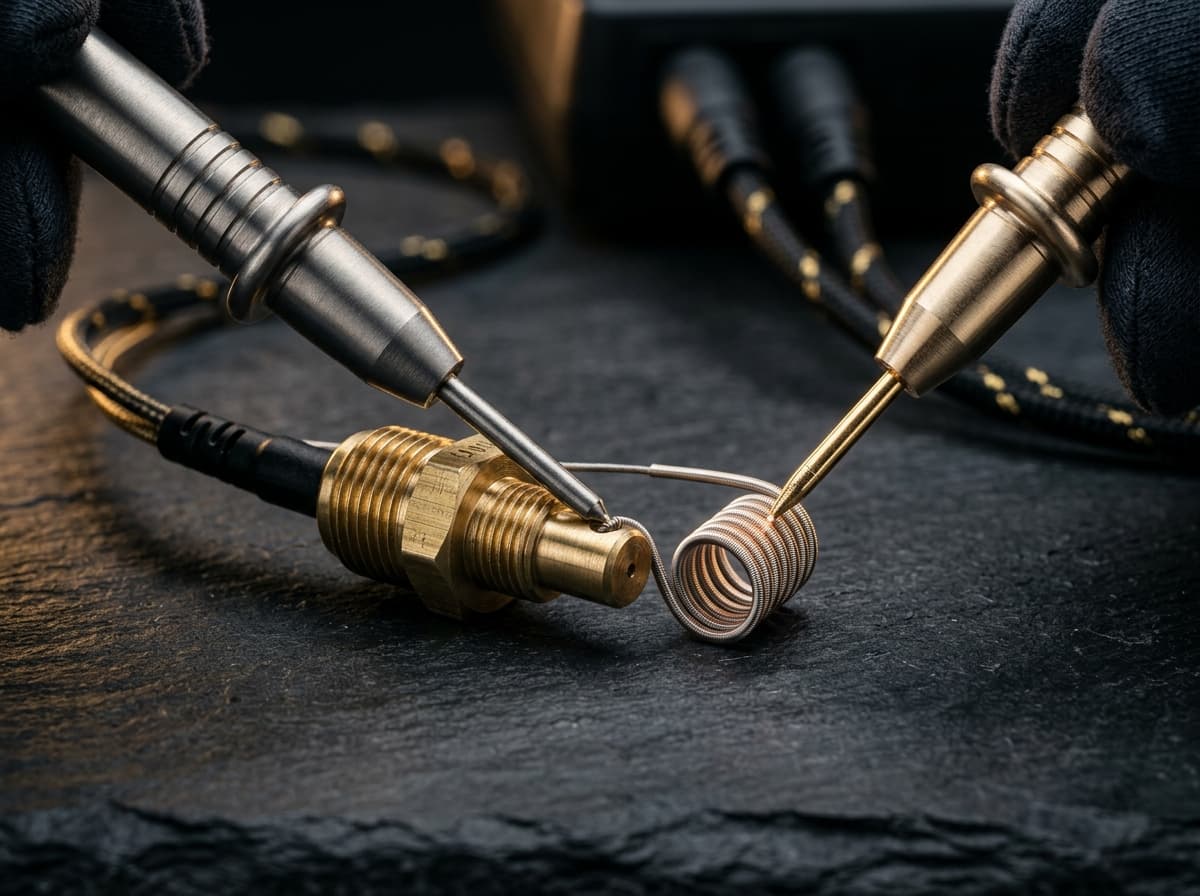
Set a digital multimeter to ohms (Ω). Disconnect power and test Compressor Motor Windings (Run/Start) & Defrost Heater across Across 3 compressor pins (Common, Run, Start): R(C-S) + R(C-R) = R(S-R). Winding to earth: >20MΩ (OL).. Expected nominal reading is 15Ω–25Ω (Run C-R), 20Ω–35Ω (Start C-S), 200Ω–400Ω (Defrost Heater). PTC Relay: 10Ω–30Ω at 25°C.. Tolerance: ±10%. Any low insulation resistance to casing (<2MΩ) trips the breaker. Defrost bimetal reads <0.5Ω when sub-zero..
What safety protocol must be followed before servicing Alaska code RF11?
Standard electrical safety protocol: 1. Disconnect 230V mains power before opening panels. 2. Verify zero voltage at test points. 3. Allow hot water or heating elements to cool below 30°C before handling.
Community Verification
COMMUNITYDid this solution resolve the issue?