
Field Actions
DISPATCHAlways disconnect appliance from 230V/400V mains before opening panels. Use CAT III multimeter for circuit testing.
Frequently Asked Questions: Bosch E136
FAQ TREEWhat does error code E136 mean on a Bosch appliance?
Bosch error code E136 indicates: Inverter temperature (IGBT) is three times higher.
What is the root cause of Bosch error code E136?
The primary root cause for Bosch code E136 is: Inverter overheating (T thermistor > 75°C); Insufficient cooling of the device; Refrigeration fan within the country; Magnetron fan without function; Ambient temperature > 30°C; Duration of professional use; Control module failure.
How do I fix or resolve Bosch error code E136?
To resolve error code E136: Consult program test 12 “inverter overheating”; Mount the appliance seal the installation / assembly instructions; Refrigeration fan changer; Magnetron fan changer; Advise the client, reduce the ambient temperature; Extend the cooling phases between uses; Change control module
Is it safe to clear Bosch error code E136 by resetting power?
Resetting power (unplugging for 5–10 minutes) clears temporary memory errors. However, if Bosch code E136 persists, the physical component causing Inverter overheating (T thermistor > 75°C); Insufficient cooling of the device; Refrigeration fan within the country; Magnetron fan without function; Ambient temperature > 30°C; Duration of professional use; Control module failure must be inspected or replaced.
How do I test electrical resistance for Bosch code E136 using a multimeter?
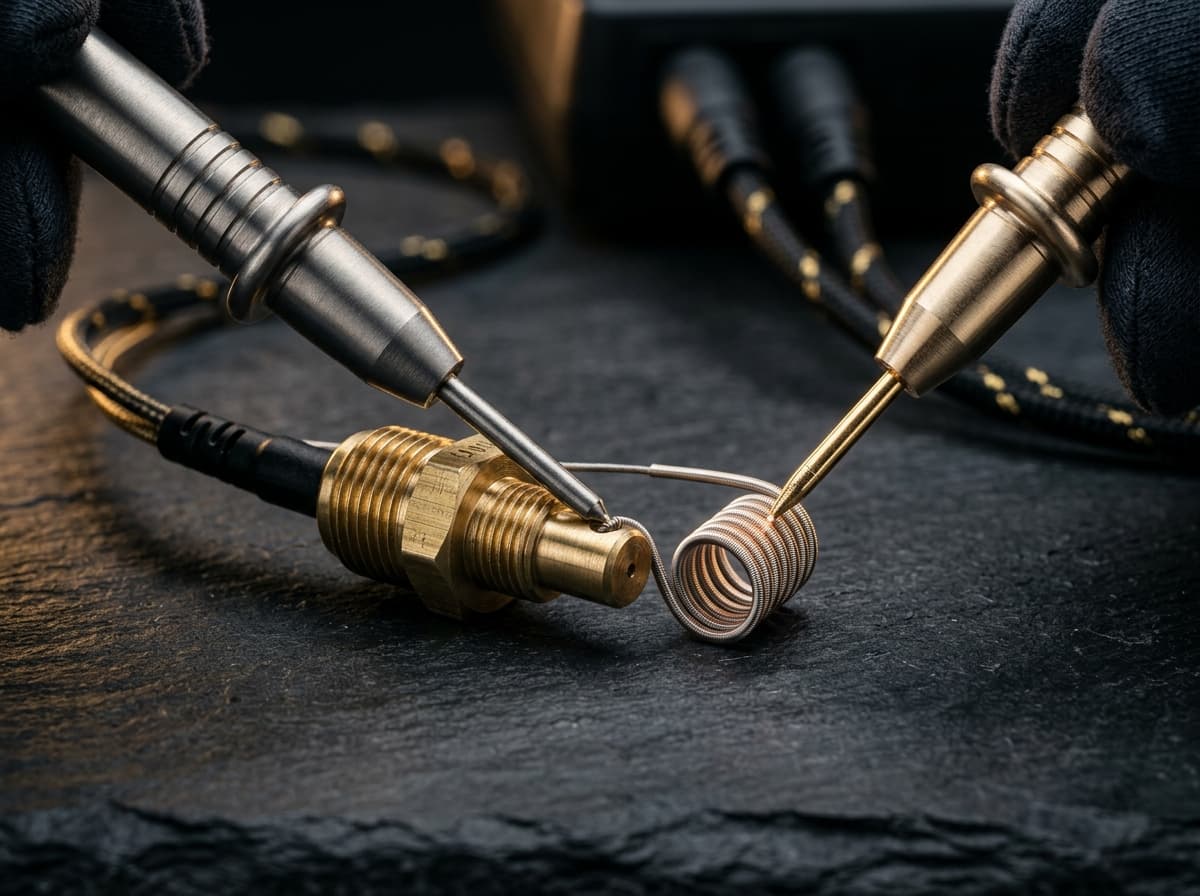
Set a digital multimeter to ohms (Ω). Disconnect power and test NTC Temperature Sensor Probe (Thermistor) across Across sensor pins 1-2 (unplugged harness). Expected nominal reading is 4.8kΩ–12kΩ (at 20°C–25°C). Tolerance: Negative temperature coefficient: resistance drops smoothly when warmed with fingers. OL = open circuit..
What safety protocol must be followed before servicing Bosch code E136?
Standard electrical safety protocol: 1. Disconnect 230V mains power before opening panels. 2. Verify zero voltage at test points. 3. Allow hot water or heating elements to cool below 30°C before handling.
Community Verification
COMMUNITYDid this solution resolve the issue?