
Field Actions
DISPATCHAlways disconnect appliance from 230V/400V mains before opening panels. Use CAT III multimeter for circuit testing.
Frequently Asked Questions: Foster H
FAQ TREEWhat does error code H mean on a Foster appliance?
Foster error code H indicates: Foster H: Cooling circuit or defrost system anomaly in Refrigerator / Freezer; compartment temperature deviation..
What is the root cause of Foster error code H?
The primary root cause for Foster code H is: The internal temperature in the fridge or freezer is too high. This could be due to a door left ajar, a large amount of warm food added, or a failure in the cooling system..
How do I fix or resolve Foster error code H?
To resolve error code H: Ensure the door is fully closed and the seal is clean. Allow several hours for the temperature to stabilize. If the alarm persists, check for cooling system issues like a faulty fan or compressor.
Is it safe to clear Foster error code H by resetting power?
Resetting power (unplugging for 5–10 minutes) clears temporary memory errors. However, if Foster code H persists, the physical component causing The internal temperature in the fridge or freezer is too high. This could be due to a door left ajar, a large amount of warm food added, or a failure in the cooling system. must be inspected or replaced.
How do I test electrical resistance for Foster code H using a multimeter?
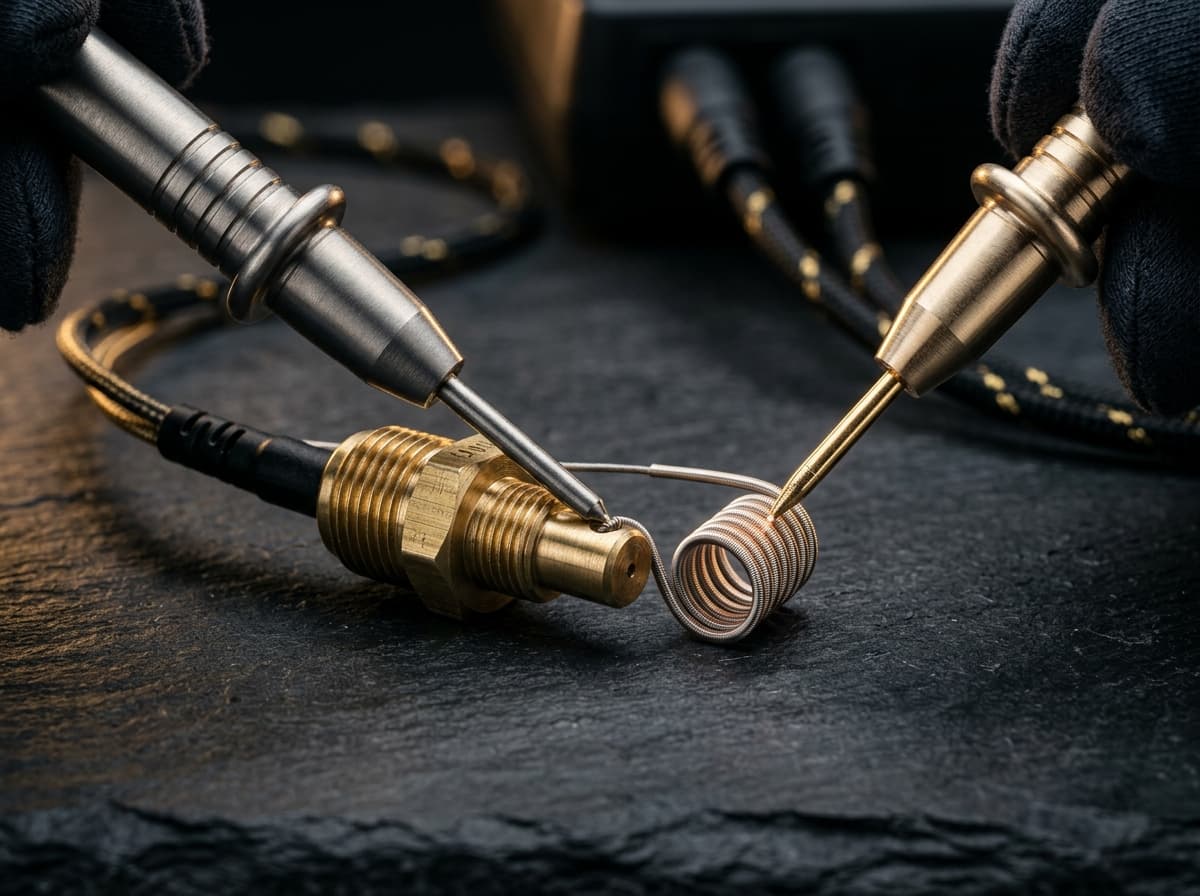
Set a digital multimeter to ohms (Ω). Disconnect power and test Compressor Motor Windings (Run/Start) & Defrost Heater across Across 3 compressor pins (Common, Run, Start): R(C-S) + R(C-R) = R(S-R). Winding to earth: >20MΩ (OL).. Expected nominal reading is 15Ω–25Ω (Run C-R), 20Ω–35Ω (Start C-S), 200Ω–400Ω (Defrost Heater). PTC Relay: 10Ω–30Ω at 25°C.. Tolerance: ±10%. Any low insulation resistance to casing (<2MΩ) trips the breaker. Defrost bimetal reads <0.5Ω when sub-zero..
What safety protocol must be followed before servicing Foster code H?
Standard electrical safety protocol: 1. Disconnect 230V mains power before opening panels. 2. Verify zero voltage at test points. 3. Allow hot water or heating elements to cool below 30°C before handling.
Community Verification
COMMUNITYDid this solution resolve the issue?