
Field Actions
DISPATCHAlways disconnect appliance from 230V/400V mains before opening panels. Use CAT III multimeter for circuit testing.
Frequently Asked Questions: Gaggenau D8
FAQ TREEWhat does error code D8 mean on a Gaggenau appliance?
Gaggenau error code D8 indicates: Gaggenau 200 Series / 400 Series Vario full-surface induction cooktop: Touch slider sensitivity calibration mode d8; user interface enters capacitive touch gain tuning display..
What is the root cause of Gaggenau error code D8?
The primary root cause for Gaggenau code D8 is: On Gaggenau hobs: Replacement glass thickness adjustment routine initiated or capacitive drift compensation cycle running..
How do I fix or resolve Gaggenau error code D8?
To resolve error code D8: Do not touch glass surface for 30 seconds to allow calibration to finish automatically. If d8 remains, press Timer key to exit. Turn off all zones via solid rotary knobs or TFT display, isolate power at circuit breaker for 60 seconds, restore and touch lock for 4 seconds.
Is it safe to clear Gaggenau error code D8 by resetting power?
Resetting power (unplugging for 5–10 minutes) clears temporary memory errors. However, if Gaggenau code D8 persists, the physical component causing On Gaggenau hobs: Replacement glass thickness adjustment routine initiated or capacitive drift compensation cycle running. must be inspected or replaced.
How do I test electrical resistance for Gaggenau code D8 using a multimeter?
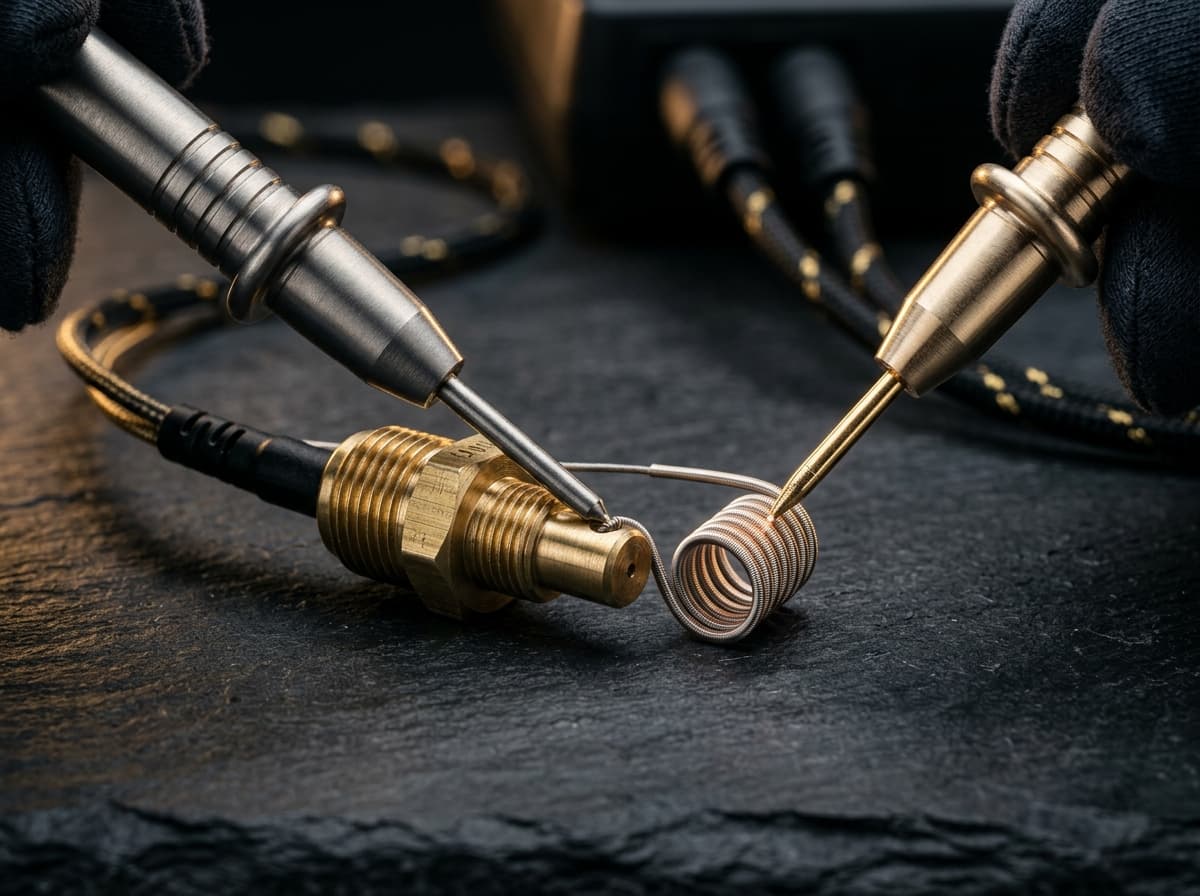
Set a digital multimeter to ohms (Ω). Disconnect power and test Protective Earth Bonding & Incoming Mains Voltage across Between unpainted chassis metal and mains plug earth pin; incoming terminal block L-N. Expected nominal reading is Earth Ground Continuity: <0.1Ω (Chassis metal to mains plug earth pin). Mains: 230V AC ±10%.. Tolerance: Protective conductor impedance must remain <0.1Ω. Line voltage 207V–253V AC under load..
What safety protocol must be followed before servicing Gaggenau code D8?
Standard electrical safety protocol: 1. Disconnect 230V mains power before opening panels. 2. Verify zero voltage at test points. 3. Allow hot water or heating elements to cool below 30°C before handling.
Community Verification
COMMUNITYDid this solution resolve the issue?