
Field Actions
DISPATCHAlways disconnect appliance from 230V/400V mains before opening panels. Use CAT III multimeter for circuit testing.
Frequently Asked Questions: Gaggenau E101
FAQ TREEWhat does error code E101 mean on a Gaggenau appliance?
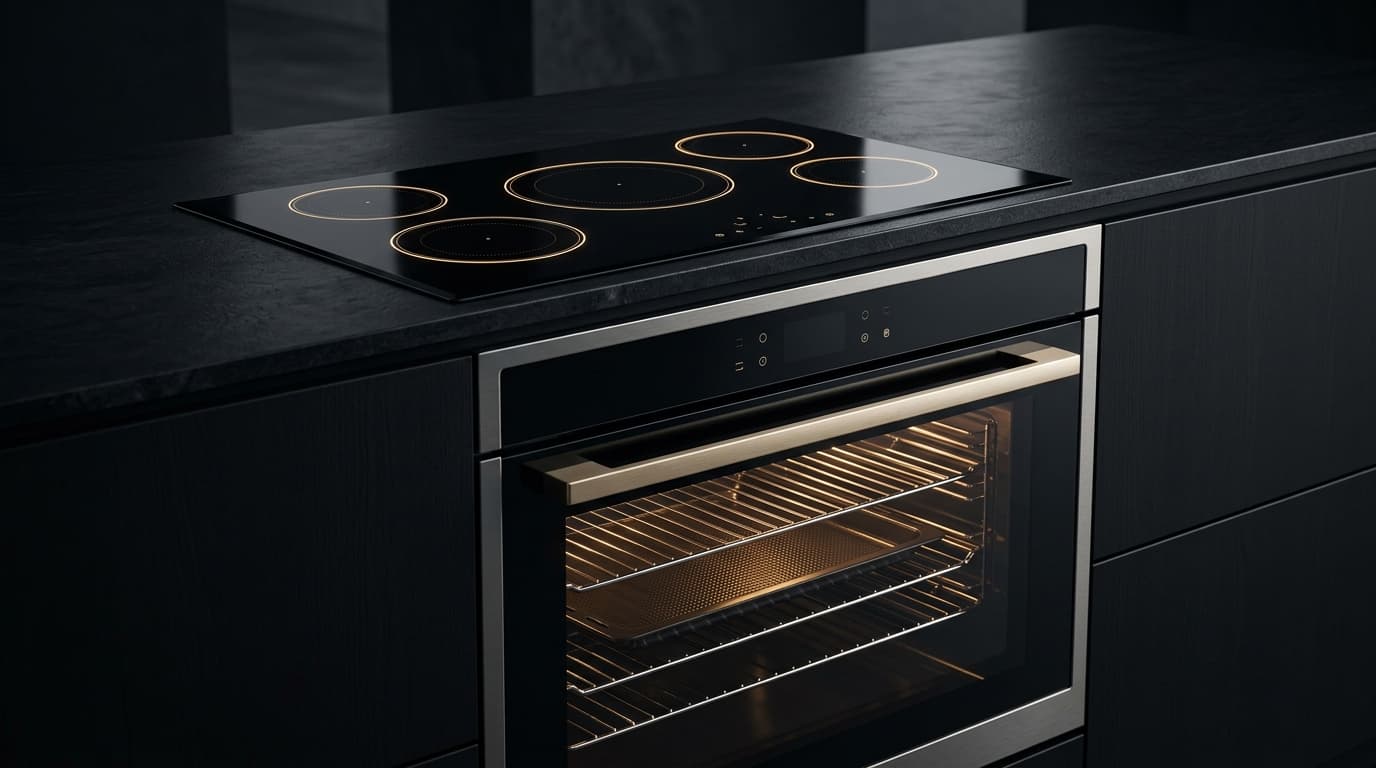
Gaggenau error code E101 indicates: Gaggenau 200 Series / 400 Series / EB 333 flagship pyrolytic oven with solid rotary knobs: Cavity temperature sensor (PT1000) open circuit E101; main controller loses cavity temperature feedback, heating shuts down..
What is the root cause of Gaggenau error code E101?
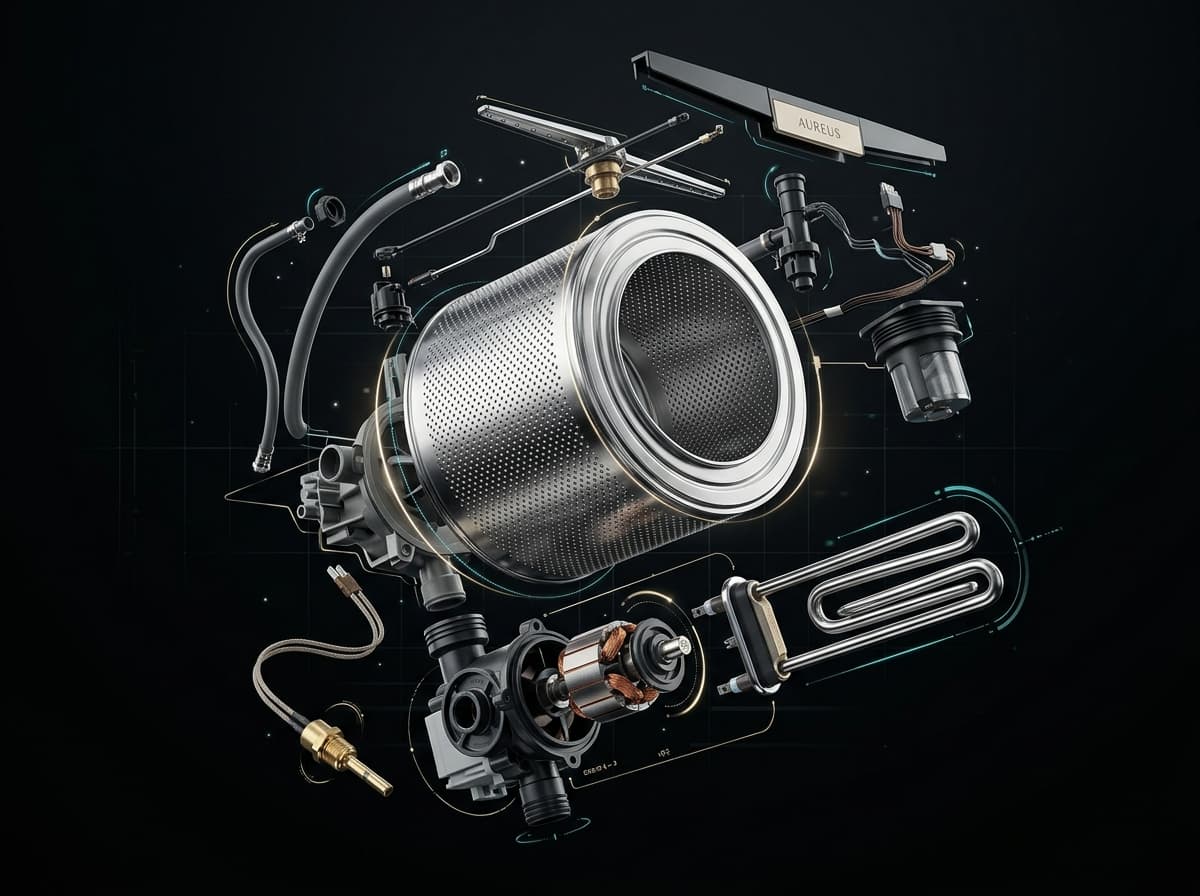
The primary root cause for Gaggenau code E101 is: On Gaggenau ovens: Platinum PT1000 sensor wire snapped inside rear insulation blanket, oxidised terminal pins, or sensor element open circuit..
How do I fix or resolve Gaggenau error code E101?
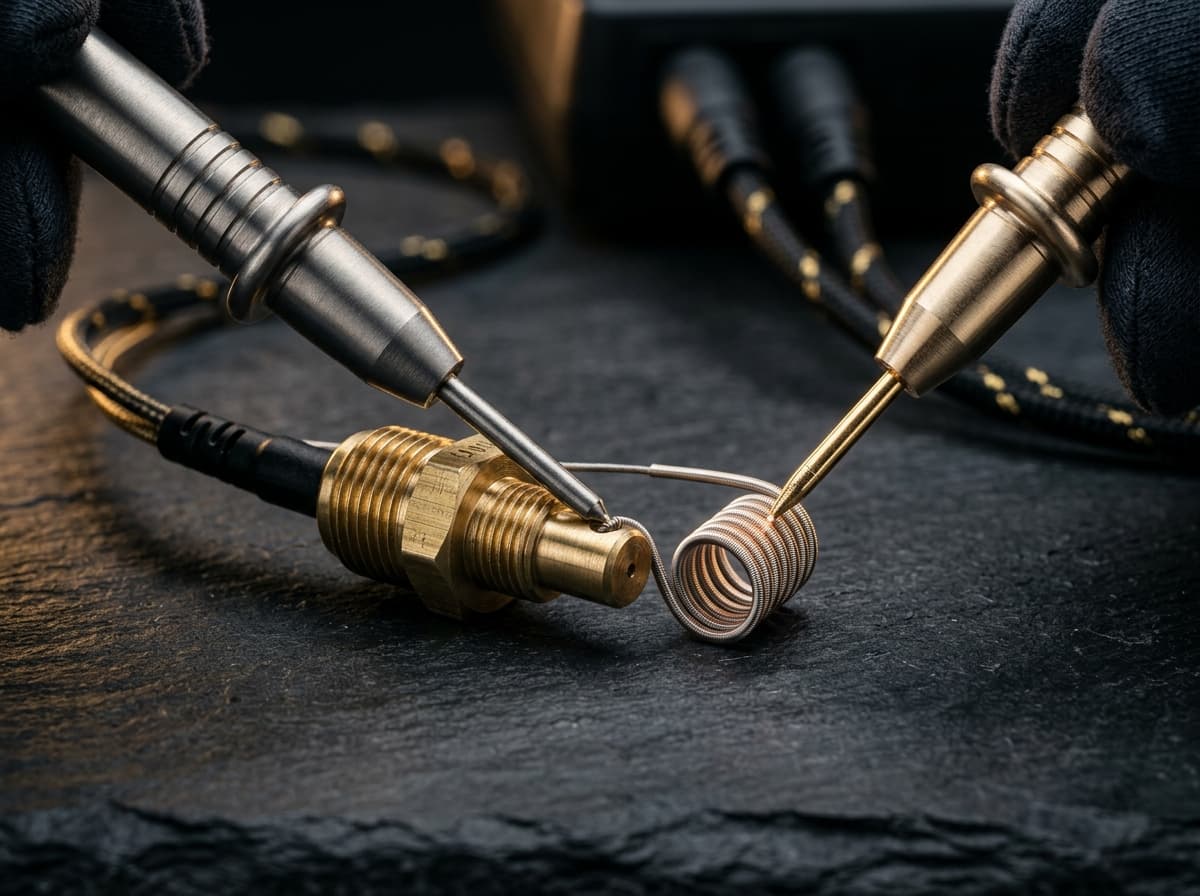
To resolve error code E101: Disconnect power. Remove rear cover panel. Measure PT1000 resistance across sensor plug (nominal 1000 Ω at 0°C, 1078 Ω at 20°C, 1385 Ω at 100°C). Rotate both solid knobs to 12 o'clock, disconnect power at distribution panel for 60 seconds, reconnect and set clock on TFT display.
Is it safe to clear Gaggenau error code E101 by resetting power?
Resetting power (unplugging for 5–10 minutes) clears temporary memory errors. However, if Gaggenau code E101 persists, the physical component causing On Gaggenau ovens: Platinum PT1000 sensor wire snapped inside rear insulation blanket, oxidised terminal pins, or sensor element open circuit. must be inspected or replaced.
How do I test electrical resistance for Gaggenau code E101 using a multimeter?
Set a digital multimeter to ohms (Ω). Disconnect power and test NTC Temperature Sensor Probe (Thermistor) across Across sensor pins 1-2 (unplugged harness). Expected nominal reading is 4.8kΩ–12kΩ (at 20°C–25°C). Tolerance: Negative temperature coefficient: resistance drops smoothly when warmed with fingers. OL = open circuit..
What safety protocol must be followed before servicing Gaggenau code E101?
Standard electrical safety protocol: 1. Disconnect 230V mains power before opening panels. 2. Verify zero voltage at test points. 3. Allow hot water or heating elements to cool below 30°C before handling.
Community Verification
COMMUNITYDid this solution resolve the issue?