
Field Actions
DISPATCHAlways disconnect appliance from 230V/400V mains before opening panels. Use CAT III multimeter for circuit testing.
Frequently Asked Questions: Indesit E9
FAQ TREEWhat does error code E9 mean on a Indesit appliance?
Indesit error code E9 indicates: Indesit Push&Go & Extra Hygiene DFP Series Dishwasher: Overfill chamber safety trip E9; water pressure transducer senses water level beyond maximum safety mark during fill..
What is the root cause of Indesit error code E9?
The primary root cause for Indesit code E9 is: On Indesit dishwashers: Short-circuited triac feeding constant 230V to inlet solenoid valve, or mineral sediment preventing valve armature closure..
How do I fix or resolve Indesit error code E9?
To resolve error code E9: Isolate mains power immediately. Check if water continues filling tub unpowered (valve mechanically failed). If stops, replace shorted power board. Press and hold Start/Reset for 5 seconds until drain pump runs, wait 60 seconds, then power cycle ON/OFF.
Is it safe to clear Indesit error code E9 by resetting power?
Resetting power (unplugging for 5–10 minutes) clears temporary memory errors. However, if Indesit code E9 persists, the physical component causing On Indesit dishwashers: Short-circuited triac feeding constant 230V to inlet solenoid valve, or mineral sediment preventing valve armature closure. must be inspected or replaced.
How do I test electrical resistance for Indesit code E9 using a multimeter?
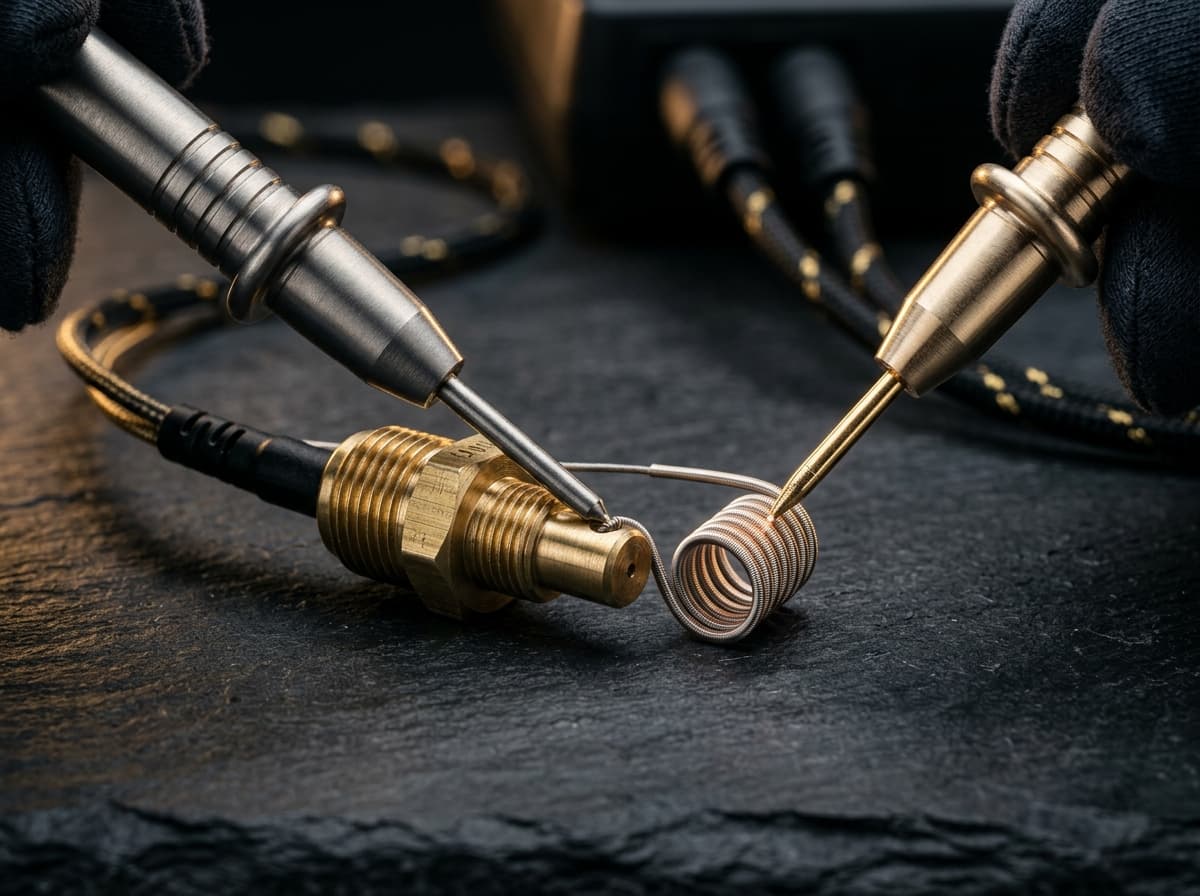
Set a digital multimeter to ohms (Ω). Disconnect power and test Mechanical Pressure Switch Contacts / Inductive Frequency Sensor across Across switch spade contacts with harness unplugged; electronic output: 40Hz–50Hz frequency signal. Expected nominal reading is Mechanical: Continuity 0.0Ω–0.2Ω (Empty: 11-12, Full: 11-14). Electronic: 20Ω–45Ω coil resistance.. Tolerance: Mechanical switch contacts must transition cleanly on gentle breath pressure. Coil ~22Ω ±5%..
What safety protocol must be followed before servicing Indesit code E9?
Standard electrical safety protocol: 1. Disconnect 230V mains power before opening panels. 2. Verify zero voltage at test points. 3. Allow hot water or heating elements to cool below 30°C before handling.
Community Verification
COMMUNITYDid this solution resolve the issue?