
Field Actions
DISPATCHAlways disconnect appliance from 230V/400V mains before opening panels. Use CAT III multimeter for circuit testing.
Frequently Asked Questions: Kelvinator H1
FAQ TREEWhat does error code H1 mean on a Kelvinator appliance?
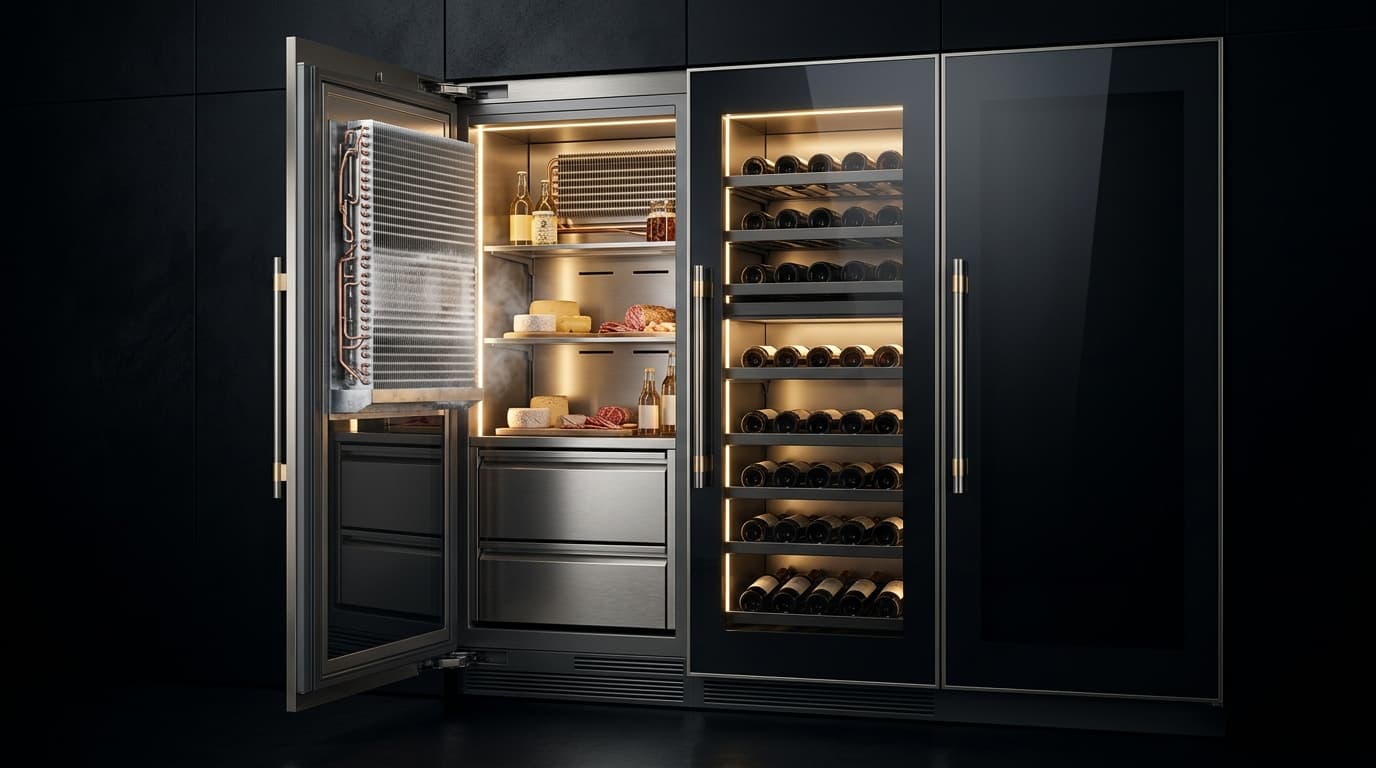
Kelvinator error code H1 indicates: An alarm is sounding and the display shows a high temperature warning for the refrigerator..
What is the root cause of Kelvinator error code H1?
The primary root cause for Kelvinator code H1 is: The refrigerator compartment temperature is too high. This can be caused by the door being left open, adding a large amount of warm food, or a cooling system failure..
How do I fix or resolve Kelvinator error code H1?
To resolve error code H1: Ensure the door is closed properly and that vents are not blocked. Allow time for the temperature to stabilize. If it doesn't cool down, there may be a fault with the cooling system.
Is it safe to clear Kelvinator error code H1 by resetting power?
Resetting power (unplugging for 5–10 minutes) clears temporary memory errors. However, if Kelvinator code H1 persists, the physical component causing The refrigerator compartment temperature is too high. This can be caused by the door being left open, adding a large amount of warm food, or a cooling system failure. must be inspected or replaced.
How do I test electrical resistance for Kelvinator code H1 using a multimeter?
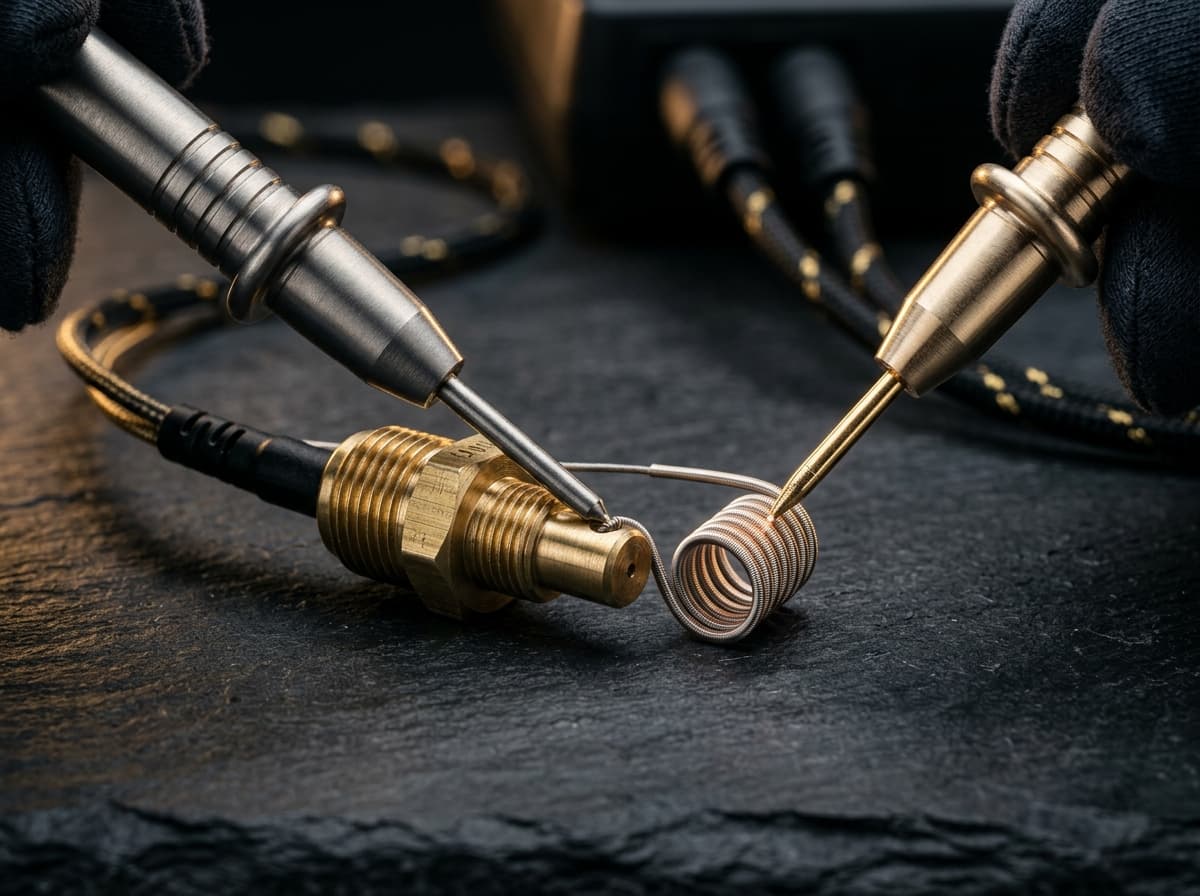
Set a digital multimeter to ohms (Ω). Disconnect power and test Compressor Motor Windings (Run/Start) & Defrost Heater across Across 3 compressor pins (Common, Run, Start): R(C-S) + R(C-R) = R(S-R). Winding to earth: >20MΩ (OL).. Expected nominal reading is 15Ω–25Ω (Run C-R), 20Ω–35Ω (Start C-S), 200Ω–400Ω (Defrost Heater). PTC Relay: 10Ω–30Ω at 25°C.. Tolerance: ±10%. Any low insulation resistance to casing (<2MΩ) trips the breaker. Defrost bimetal reads <0.5Ω when sub-zero..
What safety protocol must be followed before servicing Kelvinator code H1?
Standard electrical safety protocol: 1. Disconnect 230V mains power before opening panels. 2. Verify zero voltage at test points. 3. Allow hot water or heating elements to cool below 30°C before handling.
Community Verification
COMMUNITYDid this solution resolve the issue?