
Field Actions
DISPATCHAlways disconnect appliance from 230V/400V mains before opening panels. Use CAT III multimeter for circuit testing.
Frequently Asked Questions: Miele F139
FAQ TREEWhat does error code F139 mean on a Miele appliance?
Miele error code F139 indicates: An error is displayed, specifically related to a leak detected in the area of the automatic dosing system (e.g. TwinDos)..
What is the root cause of Miele error code F139?
The primary root cause for Miele code F139 is: The leak protection system (WPS) has detected water coming from the automatic dosing unit. This could be caused by a punctured pipe, loose fitting, or a crack in the dosing module..
How do I fix or resolve Miele error code F139?
To resolve error code F139: Turn off the power supply and water supply. Carefully inspect the dosing module, its pumps and all connected hoses for signs of moisture or active leaks. Replace defective components of the dosing system.
Is it safe to clear Miele error code F139 by resetting power?
Resetting power (unplugging for 5–10 minutes) clears temporary memory errors. However, if Miele code F139 persists, the physical component causing The leak protection system (WPS) has detected water coming from the automatic dosing unit. This could be caused by a punctured pipe, loose fitting, or a crack in the dosing module. must be inspected or replaced.
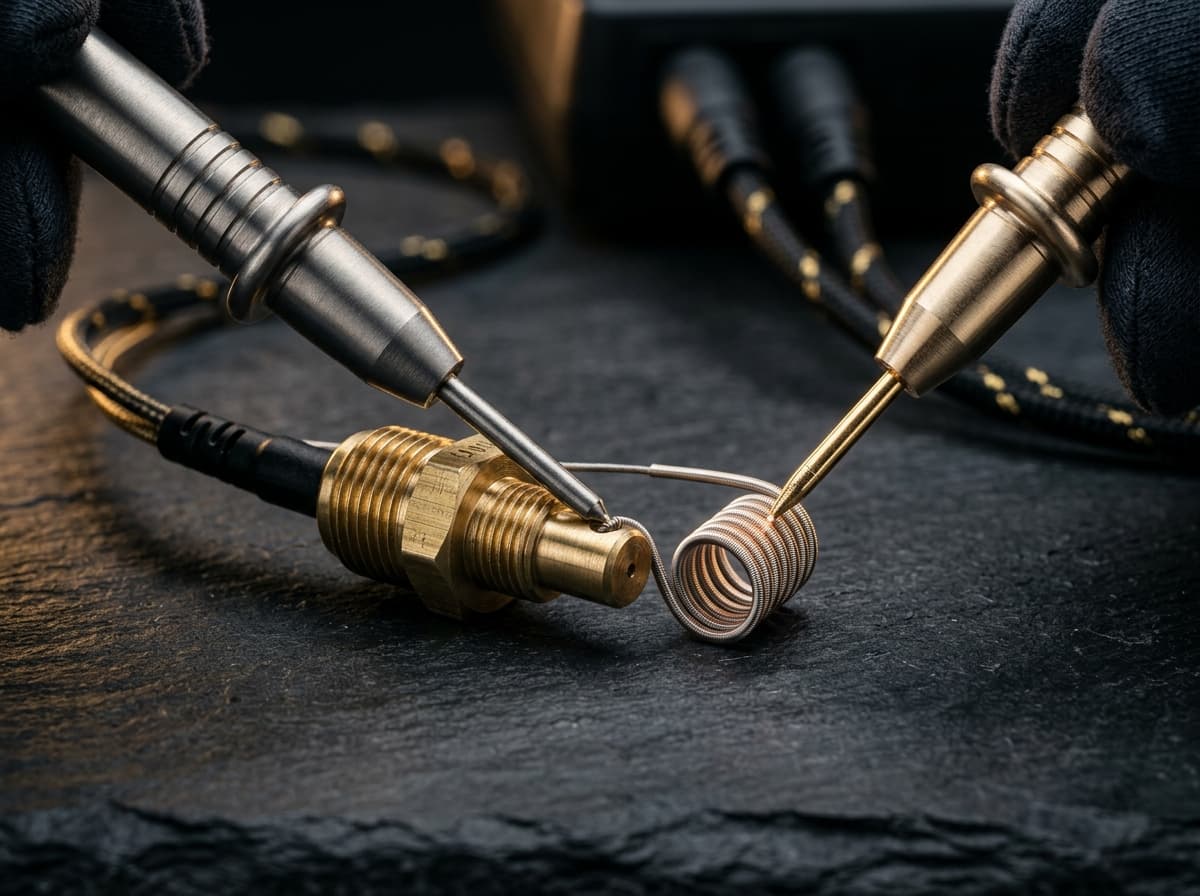
How do I test electrical resistance for Miele code F139 using a multimeter?
Set a digital multimeter to ohms (Ω). Disconnect power and test PCB Power Supply Rails & DC Bus Filter Capacitors across Across SMPS output electrolytic capacitors on low-voltage side (test bench verification). Expected nominal reading is Low-voltage rails: +5.0V DC (Logic), +12.0V DC (Relays), +3.3V DC (MCU). Relay coils: 200Ω–450Ω.. Tolerance: DC rail ripple must remain <50mV. Direct continuity (0Ω) across DC bus rails indicates dead short..
What safety protocol must be followed before servicing Miele code F139?
Standard electrical safety protocol: 1. Disconnect 230V mains power before opening panels. 2. Verify zero voltage at test points. 3. Allow hot water or heating elements to cool below 30°C before handling.
Community Verification
COMMUNITYDid this solution resolve the issue?