
Field Actions
DISPATCHAlways disconnect appliance from 230V/400V mains before opening panels. Use CAT III multimeter for circuit testing.
Frequently Asked Questions: Miele F4148
FAQ TREEWhat does error code F4148 mean on a Miele appliance?
Miele error code F4148 indicates: The door does not unlock at the end of the cycle, or the display remains stuck in the 'door locked' state..
What is the root cause of Miele error code F4148?
The primary root cause for Miele code F4148 is: There is an inconsistency in the lock status feedback signal. The control card does not receive confirmation that unlocking has occurred, even if it has mechanically..
How do I fix or resolve Miele error code F4148?
To resolve error code F4148: 1. Attempt a reset by unplugging the device. 2. Use the emergency release to open the door. 3. Check the integrity of the wiring between the lock and the control board. 4. The fault probably comes from the status sensor in the lock block, requiring replacement.
Is it safe to clear Miele error code F4148 by resetting power?
Resetting power (unplugging for 5–10 minutes) clears temporary memory errors. However, if Miele code F4148 persists, the physical component causing There is an inconsistency in the lock status feedback signal. The control card does not receive confirmation that unlocking has occurred, even if it has mechanically. must be inspected or replaced.
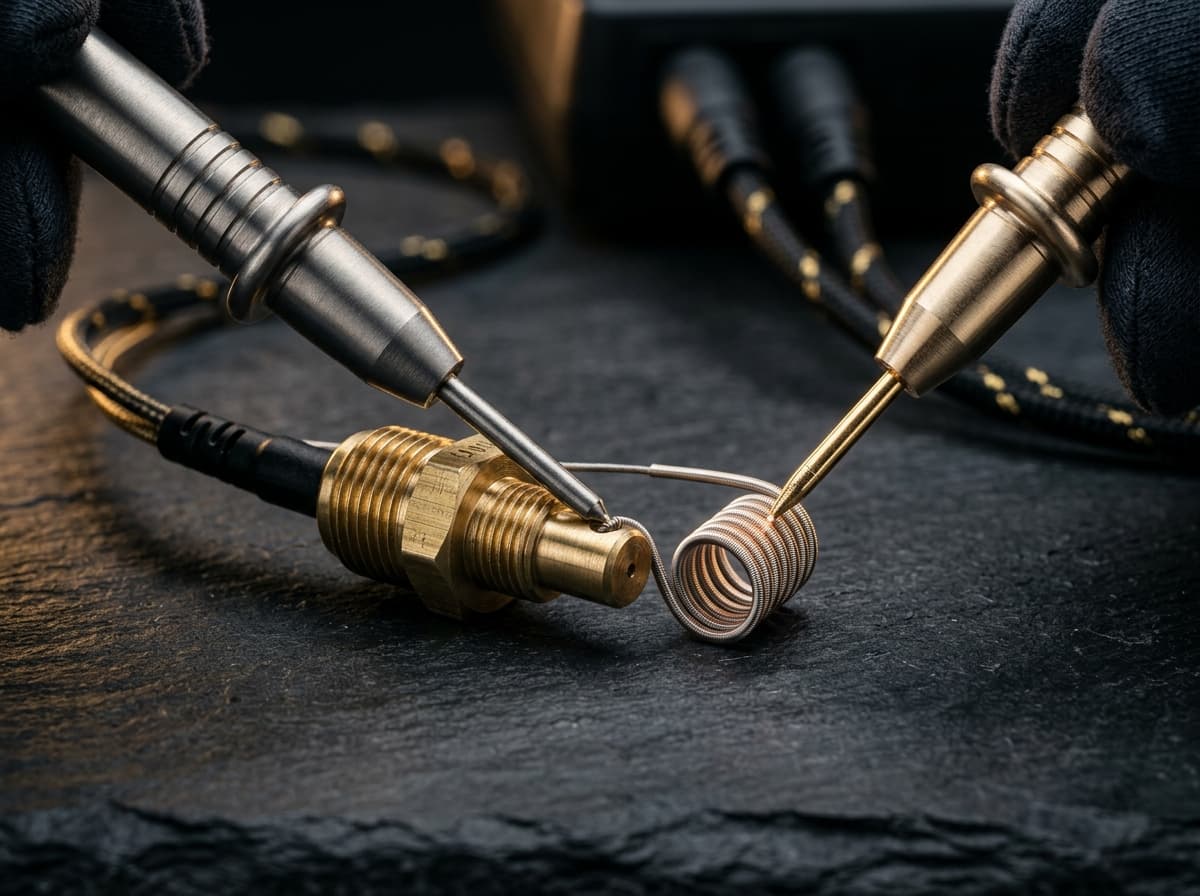
How do I test electrical resistance for Miele code F4148 using a multimeter?
Set a digital multimeter to ohms (Ω). Disconnect power and test PTC Heater Pellet / Pulse Solenoid / Microswitch Contacts across Across PTC heater terminals on lock bezel; switch contact reads <0.2Ω when locked. Expected nominal reading is 800Ω–1.5kΩ (PTC terminals L-N) / 60Ω–120Ω (Pulse Solenoid). Tolerance: ±15%. Switch contacts must read open (OL) when unlocked and 0.0Ω–0.2Ω when fully latched..
What safety protocol must be followed before servicing Miele code F4148?
Standard electrical safety protocol: 1. Disconnect 230V mains power before opening panels. 2. Verify zero voltage at test points. 3. Allow hot water or heating elements to cool below 30°C before handling.
Community Verification
COMMUNITYDid this solution resolve the issue?