
Field Actions
DISPATCHAlways disconnect appliance from 230V/400V mains before opening panels. Use CAT III multimeter for circuit testing.
Frequently Asked Questions: Miele F56
FAQ TREEWhat does error code F56 mean on a Miele appliance?
Miele error code F56 indicates: The washing machine finishes its program, but the laundry comes out excessively damp, the final spin having not reached its maximum speed..
What is the root cause of Miele error code F56?
The primary root cause for Miele code F56 is: The system detected too much unbalance (laundry poorly distributed) and voluntarily limited the spin speed for safety. A worn engine or faulty shock absorbers may also be to blame..
How do I fix or resolve Miele error code F56?
To resolve error code F56: Open the drum, distribute the load of laundry better and restart a spin cycle alone. If the problem is recurring, even with well-balanced loads, an inspection of the motor carbon brushes and tank dampers is recommended.
Is it safe to clear Miele error code F56 by resetting power?
Resetting power (unplugging for 5–10 minutes) clears temporary memory errors. However, if Miele code F56 persists, the physical component causing The system detected too much unbalance (laundry poorly distributed) and voluntarily limited the spin speed for safety. A worn engine or faulty shock absorbers may also be to blame. must be inspected or replaced.
How do I test electrical resistance for Miele code F56 using a multimeter?
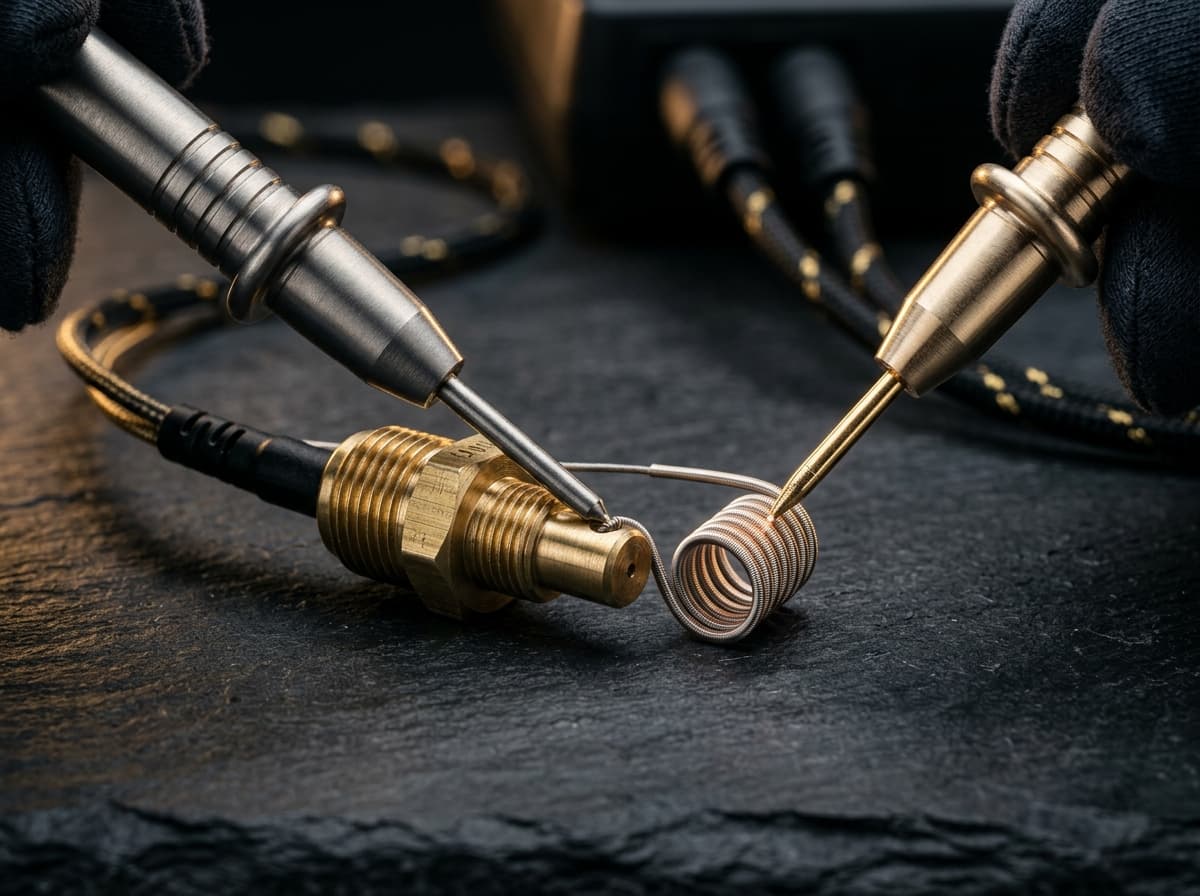
Set a digital multimeter to ohms (Ω). Disconnect power and test 3-Phase Motor Windings / Tacho Generator / Carbon Brushes across Across phase pins U-V, V-W, U-W on motor harness; across tacho pins. Expected nominal reading is 3Ω–6Ω (BLDC phase U-V-W) / 60Ω–180Ω (Tacho coil) / 1.5Ω–3.5Ω (Universal stator). Tolerance: BLDC phase winding values must be strictly balanced within ±0.3Ω. Hand rotation generates 1V–4V AC on tacho..
What safety protocol must be followed before servicing Miele code F56?
Standard electrical safety protocol: 1. Disconnect 230V mains power before opening panels. 2. Verify zero voltage at test points. 3. Allow hot water or heating elements to cool below 30°C before handling.
Community Verification
COMMUNITYDid this solution resolve the issue?