
Field Actions
DISPATCHAlways disconnect appliance from 230V/400V mains before opening panels. Use CAT III multimeter for circuit testing.
Frequently Asked Questions: Neff E4
FAQ TREEWhat does error code E4 mean on a Neff appliance?
Neff error code E4 indicates: Neff N 70 / N 90 TwistPad® / TwistPad Fire® & FlexInduction hob: Mains under-voltage detected E4; AC line voltage drops below 185V AC under load during active heating..
What is the root cause of Neff error code E4?
The primary root cause for Neff code E4 is: On Neff hobs: Loose terminal screw on terminal block, undersized house wiring cross-section (< 2.5 mm²), or severe grid voltage drop..
How do I fix or resolve Neff error code E4?
To resolve error code E4: Inspect mains terminal block connections for loose clamping screws or scorching. Measure supply voltage under load (> 207V AC required). Remove TwistPad magnetic dial, clean glass surface, replace TwistPad on red illuminated ring, hold Key symbol for 4 seconds.
Is it safe to clear Neff error code E4 by resetting power?
Resetting power (unplugging for 5–10 minutes) clears temporary memory errors. However, if Neff code E4 persists, the physical component causing On Neff hobs: Loose terminal screw on terminal block, undersized house wiring cross-section (< 2.5 mm²), or severe grid voltage drop. must be inspected or replaced.
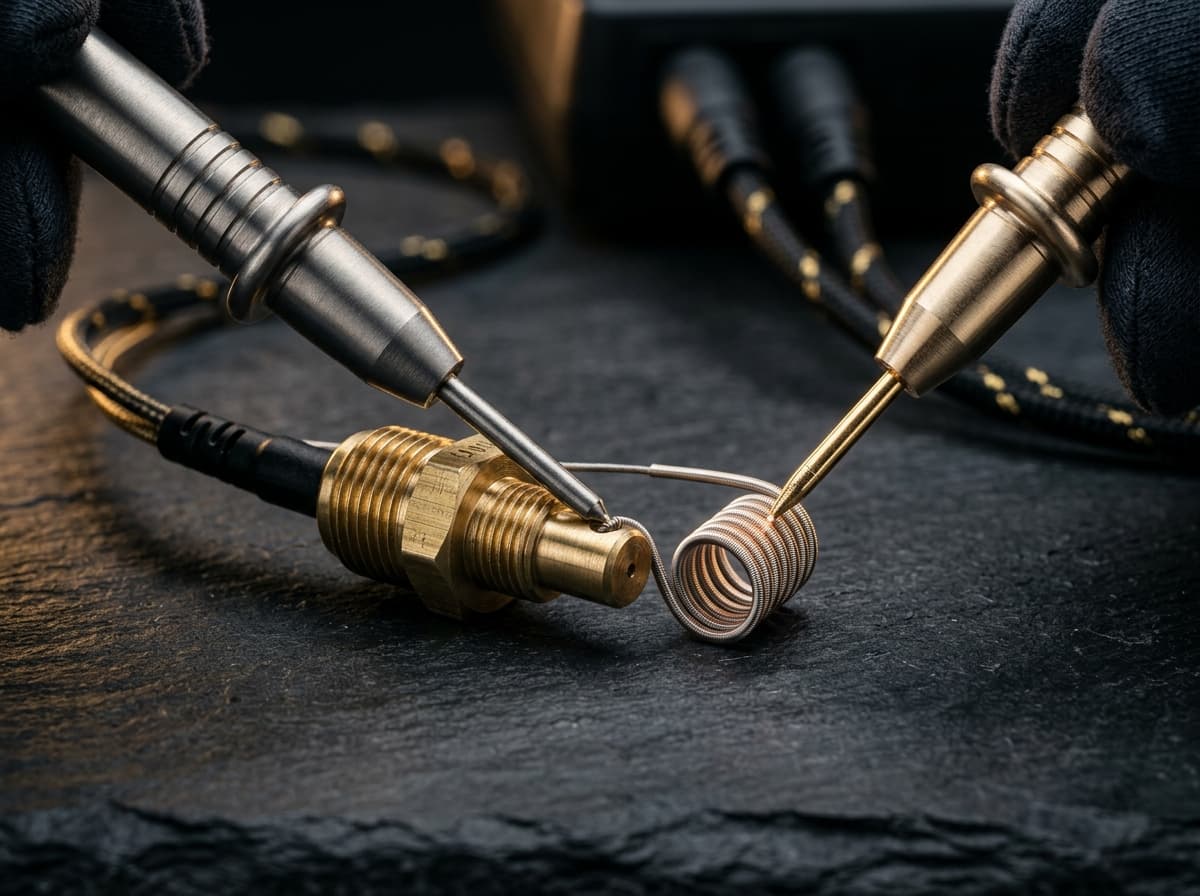
How do I test electrical resistance for Neff code E4 using a multimeter?
Set a digital multimeter to ohms (Ω). Disconnect power and test Protective Earth Bonding & Incoming Mains Voltage across Between unpainted chassis metal and mains plug earth pin; incoming terminal block L-N. Expected nominal reading is Earth Ground Continuity: <0.1Ω (Chassis metal to mains plug earth pin). Mains: 230V AC ±10%.. Tolerance: Protective conductor impedance must remain <0.1Ω. Line voltage 207V–253V AC under load..
What safety protocol must be followed before servicing Neff code E4?
Standard electrical safety protocol: 1. Disconnect 230V mains power before opening panels. 2. Verify zero voltage at test points. 3. Allow hot water or heating elements to cool below 30°C before handling.
Community Verification
COMMUNITYDid this solution resolve the issue?