
Field Actions
DISPATCHAlways disconnect appliance from 230V/400V mains before opening panels. Use CAT III multimeter for circuit testing.
Frequently Asked Questions: Neff E47
FAQ TREEWhat does error code E47 mean on a Neff appliance?
Neff error code E47 indicates: Neff N 50 / N 70 / N 90 Efficient SilentDrive washing machine: Motor inverter power module (IPM) overtemperature E47; thermal sensor on aluminum heatsink trips thermal shutdown..
What is the root cause of Neff error code E47?
The primary root cause for Neff code E47 is: On Neff washers: Severe drum overload, high ambient temperature, dried thermal paste between IPM bridge and heatsink, or dust clogging cooling airflow..
How do I fix or resolve Neff error code E47?
To resolve error code E47: Allow inverter module to cool for 30 minutes. Reduce laundry load. Inspect aluminum heatsink, clean dust, and reapply high-grade non-conductive thermal paste. Turn selector to 6 o'clock position, press and hold Spin Speed reduction key, turn selector to 7 o'clock, release key, turn to Off.
Is it safe to clear Neff error code E47 by resetting power?
Resetting power (unplugging for 5–10 minutes) clears temporary memory errors. However, if Neff code E47 persists, the physical component causing On Neff washers: Severe drum overload, high ambient temperature, dried thermal paste between IPM bridge and heatsink, or dust clogging cooling airflow. must be inspected or replaced.
How do I test electrical resistance for Neff code E47 using a multimeter?
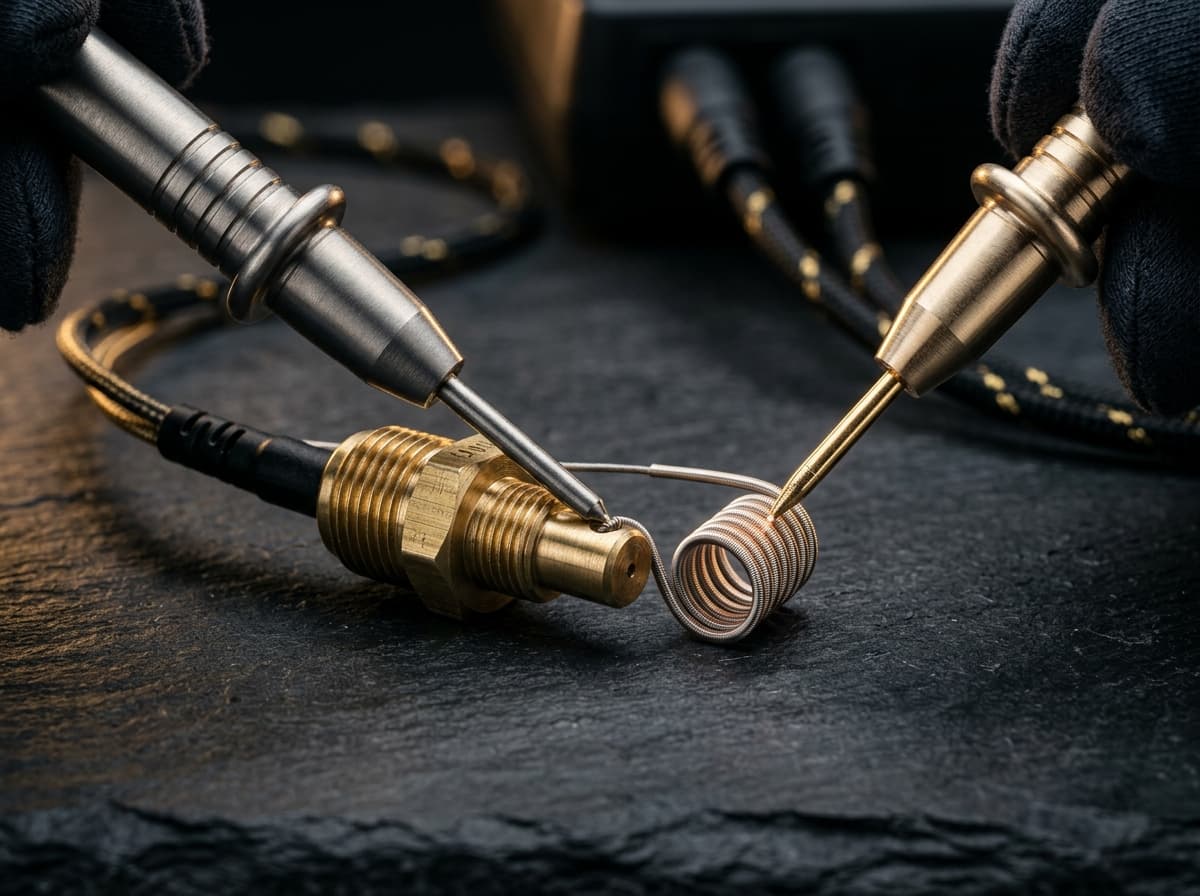
Set a digital multimeter to ohms (Ω). Disconnect power and test Immersion / Air Heating Element & Klixon Thermostat across Between element terminals (unwired). Insulation to earth casing: >20MΩ (OL). Expected nominal reading is 25Ω–28Ω (230V / 2000W) / <0.5Ω (Safety Klixon closed). Tolerance: Formula R = V²/P (±5%). Any earth leakage reading below 2MΩ will trip the domestic 30mA RCD breaker..
What safety protocol must be followed before servicing Neff code E47?
Standard electrical safety protocol: 1. Disconnect 230V mains power before opening panels. 2. Verify zero voltage at test points. 3. Allow hot water or heating elements to cool below 30°C before handling.
Community Verification
COMMUNITYDid this solution resolve the issue?