
Field Actions
DISPATCHAlways disconnect appliance from 230V/400V mains before opening panels. Use CAT III multimeter for circuit testing.
Frequently Asked Questions: Neff E89
FAQ TREEWhat does error code E89 mean on a Neff appliance?
Neff error code E89 indicates: Neff N 70 / N 90 Heat Pump Condenser tumble dryer: Display UI to power module communication error E89; console display lost serial communication link with base power board..
What is the root cause of Neff error code E89?
The primary root cause for Neff code E89 is: On Neff tumble dryers: Disconnected or pinched multiconductor ribbon cable, oxidised edge connector contacts, or defective serial bus transceiver..
How do I fix or resolve Neff error code E89?
To resolve error code E89: Remove top lid and front console. Re-seat ribbon cable connectors on both display and power PCBs. Verify 5V DC and 12V DC power lines. Turn dial to position 6, hold Low Heat/Delicates button, turn dial to position 7, release and turn back to Off.
Is it safe to clear Neff error code E89 by resetting power?
Resetting power (unplugging for 5–10 minutes) clears temporary memory errors. However, if Neff code E89 persists, the physical component causing On Neff tumble dryers: Disconnected or pinched multiconductor ribbon cable, oxidised edge connector contacts, or defective serial bus transceiver. must be inspected or replaced.
How do I test electrical resistance for Neff code E89 using a multimeter?
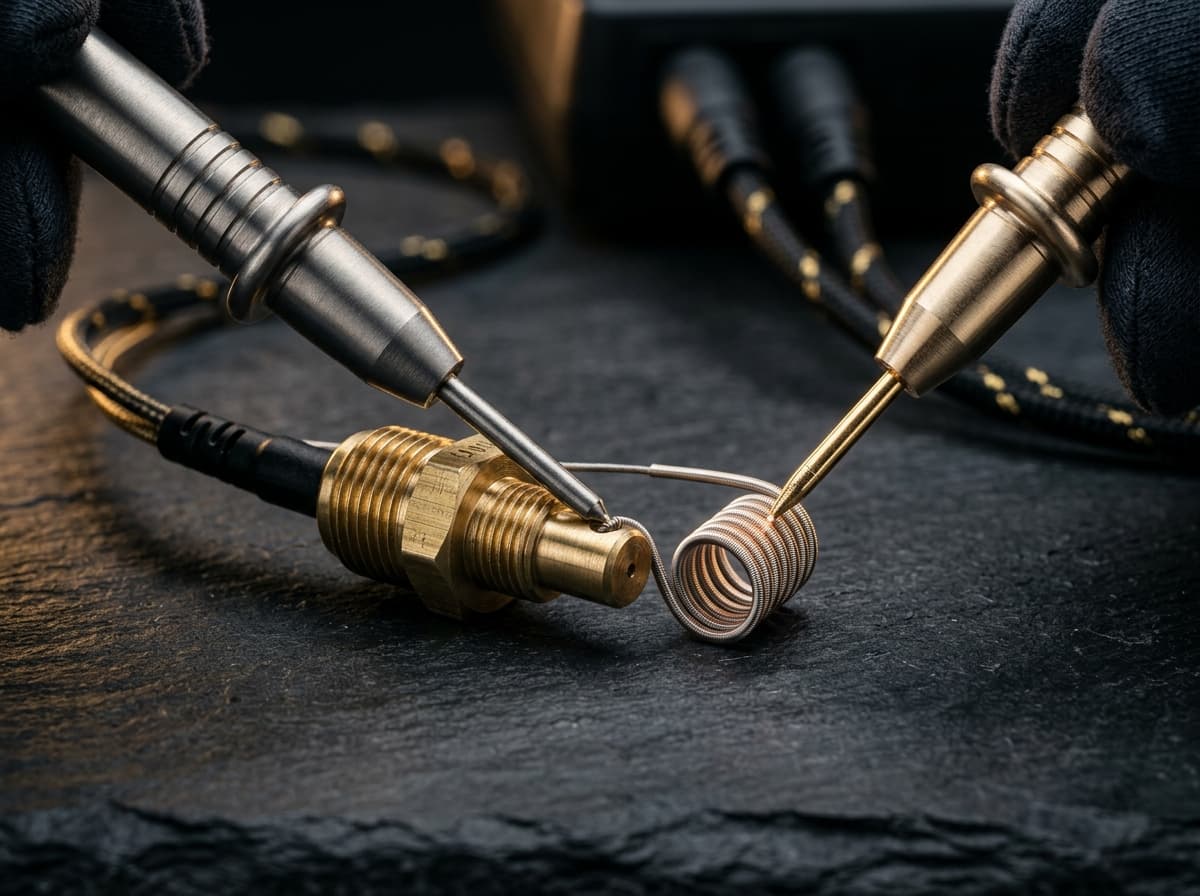
Set a digital multimeter to ohms (Ω). Disconnect power and test PCB Power Supply Rails & DC Bus Filter Capacitors across Across SMPS output electrolytic capacitors on low-voltage side (test bench verification). Expected nominal reading is Low-voltage rails: +5.0V DC (Logic), +12.0V DC (Relays), +3.3V DC (MCU). Relay coils: 200Ω–450Ω.. Tolerance: DC rail ripple must remain <50mV. Direct continuity (0Ω) across DC bus rails indicates dead short..
What safety protocol must be followed before servicing Neff code E89?
Standard electrical safety protocol: 1. Disconnect 230V mains power before opening panels. 2. Verify zero voltage at test points. 3. Allow hot water or heating elements to cool below 30°C before handling.
Community Verification
COMMUNITYDid this solution resolve the issue?