Skip to content
CodesErreur.comSWISS PRO ENGINE
Core Diagnostics
DiagnosticsBrandsOEM ManualsSpecialistsAI EngineerPRO
Workshop Tools
Diagnostic ToolsNEW
Hardware interfaces & test probes
Find Rating Plate
Locate exact E-Nr, PNC & serial codes
Parts Locator
Global OEM spare parts suppliers
Community & Career
Academy & Courses
Masterclasses by senior technicians
Certification ExamsPRO
Verify your B2B technical credentials
Elite Forum
Peer-to-peer field troubleshooting
Tech Jobs
B2B recruitment & field opportunities
Leaderboard
Global ranking of verified specialists
Certified Appliance Engineering EcosystemApply for Certification →
Language Selector
Account & Access
Upgrade PRO
Back to Search
OEM VERIFIED BENCH
OFFICIAL FAULT CODEF33
Panasonic
Panasonic // OFFICIAL DIAGNOSTIC BENCH

Panasonic F33

OvenNTC Temperature Sensor & Thermistor
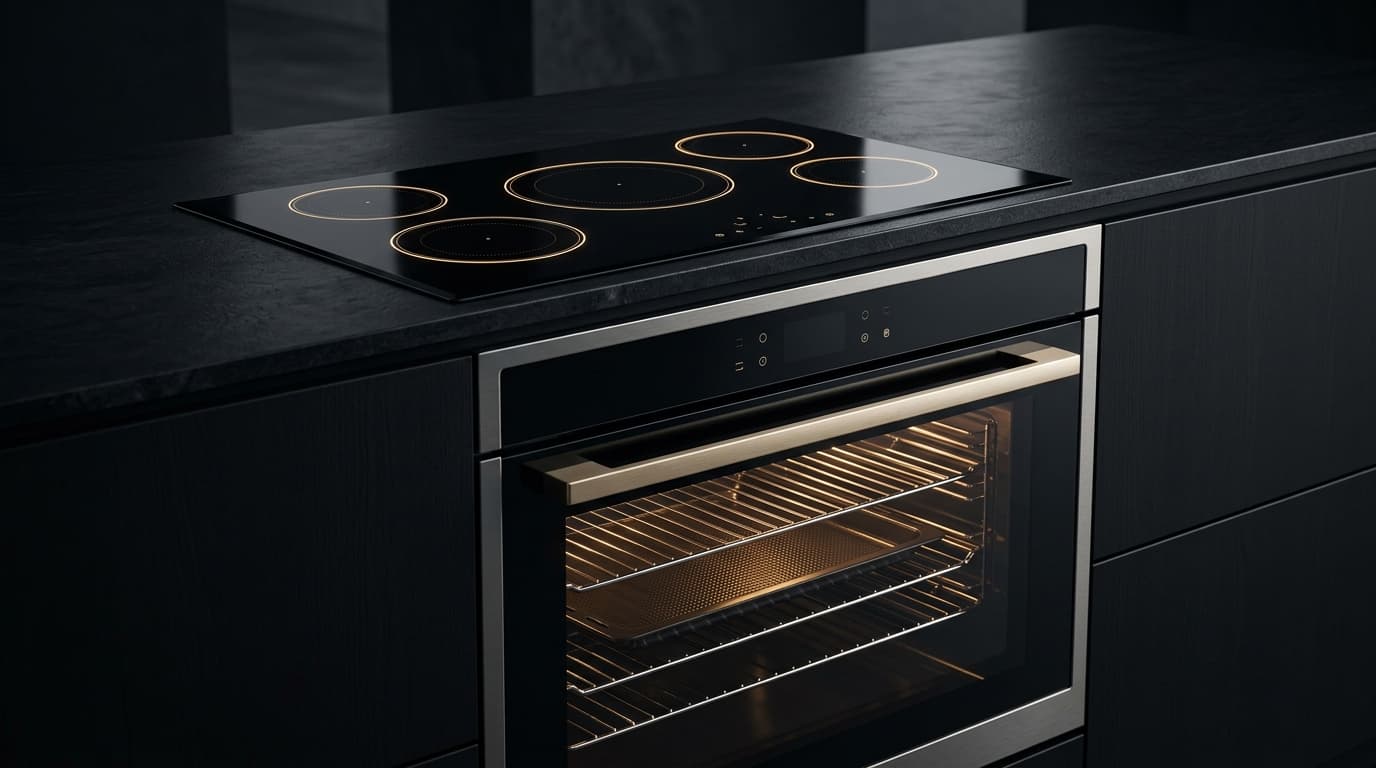
Integrated luxury convection oven and induction cooktop with illuminated touch controls
Oven
Other Brands Sharing Code F33:MieleF33

Symptom / Description

FAULT

Panasonic Inverter Combi Steam & Microwave Convection Oven: Diagnostic fault code F33 registered by the microcomputer controller. Oven cavity temperature NTC thermistor circuit open or shorted

TELEMETRY // LIVESIG: FAULT_DETECTED

Root Cause

ROOT CAUSE

On Panasonic appliances engineered with solid-state Panasonic Inverter high-voltage power board, continuous linear microwave emission, quartz steam boiler, and infrared Genius cavity sensor: cavity temperature probe wire damaged or thermistor bead shorted Metrological tolerance verification: nominal 200 kΩ at 25°C, 10.5 kΩ at 150°C.

CIRCUIT // SUBSYSTEMLOGIC: ROOT_ISOLATED

Repair Instructions

UNLOCKED
1Disconnect mains power before servicing. Unplug the harness at the main PCB and use a calibrated digital multimeter: measure sensor resistance across 2-pin cavity probe connector (expected ~200 kΩ at 25°C). Inspect contacts for pin oxidation or loose terminals. Replace defective part if out of tolerance, re-energize and clear error: Unplug microwave from AC outlet for 60 seconds. Reconnect power while pressing and holding 'Stop/Reset' and 'Micro Power' simultaneously for 3 seconds. The diagnostic display will show test mode 'E1'. Press 'Start' to cycle tests, then press 'Stop/Reset' twice to clear fault memory.
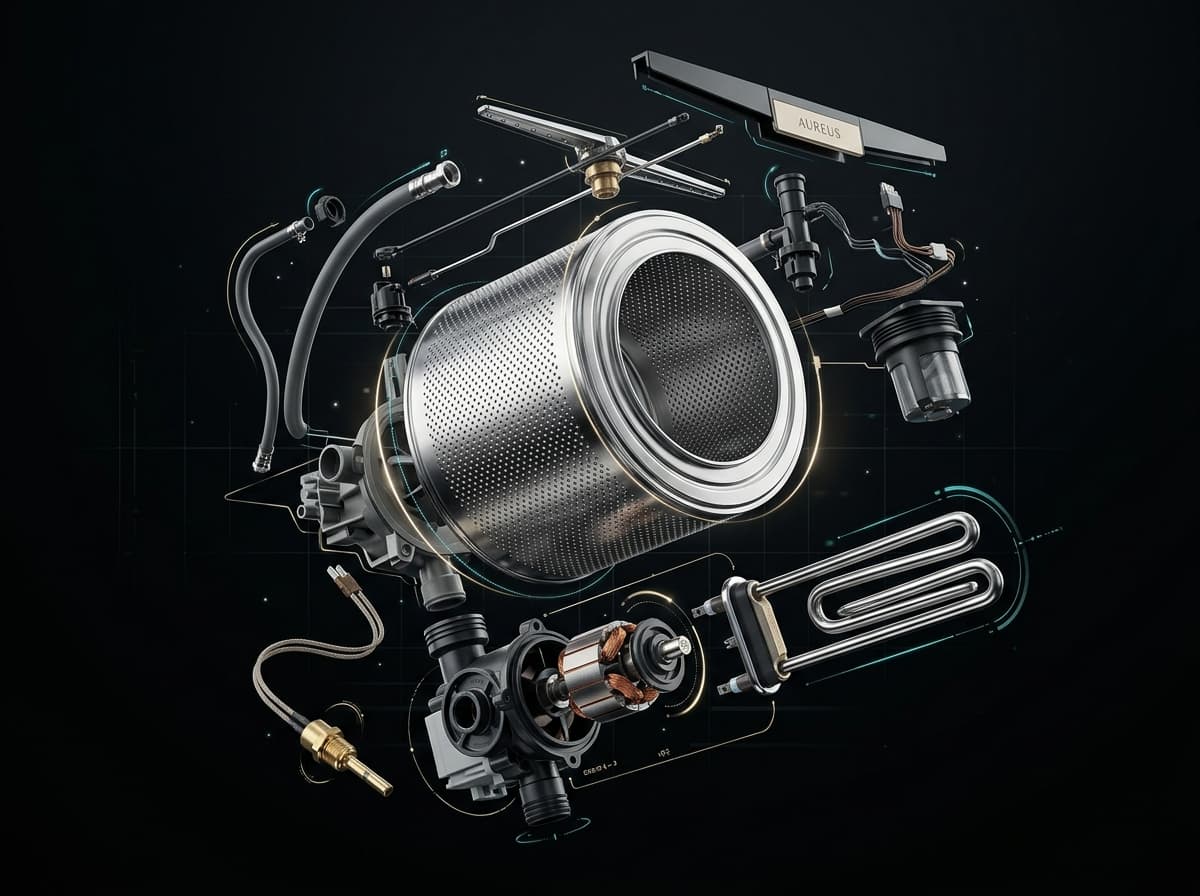
AI diagnostic workshop engine analyzing appliance circuit schematics and error telemetry in real time
AI WORKSHOP PROTOCOL ENGINE
Direct extraction from OEM factory manuals & wiring schematics

Field Actions

DISPATCH
Need Help? Call a Certified TechnicianWorldwide Panasonic Parts Finder
Electrical & Safety Protocol

Always disconnect appliance from 230V/400V mains before opening panels. Use CAT III multimeter for circuit testing.
CALIBRATED BENCH PROTOCOL // CAT III 600V

Workshop Verification & Safety Checklist

WORKSHOP VERIFICATION PROTOCOLNTC Temperature Sensor & ThermistorOven / Microwave
2. Multimeter & Electrical Bench Tests (Ω)
MODE: OHMMETER (Ω)AUTO-RANGE
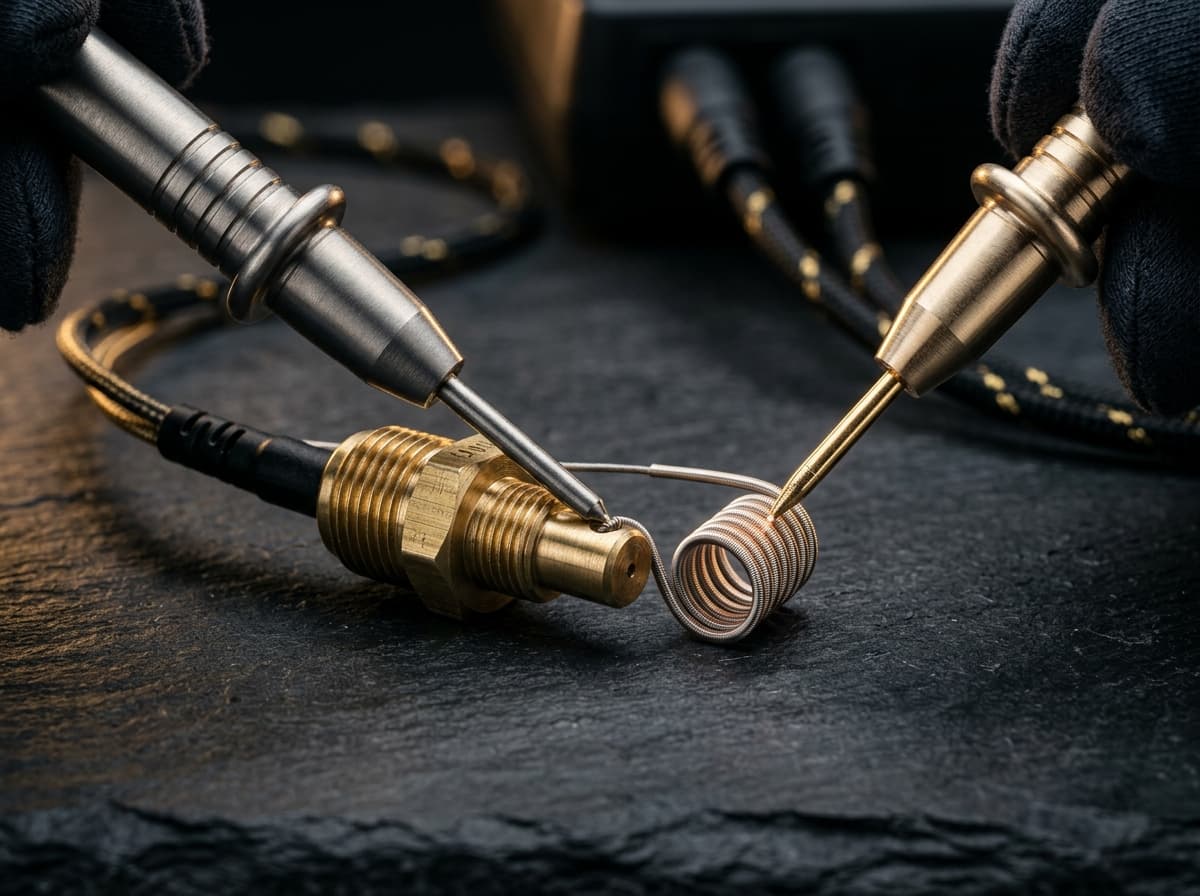
Precision digital multimeter probes measuring electrical resistance in Ohms on an appliance control board
CALIBRATED METROLOGY RESISTANCE BENCH (CAT III)
Nominal Resistance (Ω)
4.8kΩ–12kΩ (at 20°C–25°C)NOMINAL
0 Ω (SHORT)CALIBRATED BAND∞ OL (OPEN)
▲ NOMINAL OPERATING WINDOW
Target Component:NTC Temperature Sensor Probe (Thermistor)
Test Pins & Connections
PROBE (+)
PROBE (-)
Across sensor pins 1-2 (unplugged harness)
Tolerance & Diagnostic CriteriaNegative temperature coefficient: resistance drops smoothly when warmed with fingers. OL = open circuit.
1. Pre-Intervention Electrical Safety Protocols
  • !Electrical Safety Protocol: Disconnect 230V electrical mains power before removing appliance side or rear panels.
  • !Ensure tub water or heating chamber has cooled below 30°C before unclipping thermistor probe.
  • !Use CAT III 600V/1000V insulated test probes when tng at PCB edge connectors.
3. Preliminary Mechanical & Visual Checks
  • Inspect sensor immersion sleeve for calcification, limescale scale, or thermal paste degradation.
  • Check wiring harness for pinch points, chafing against chassis metal, and terminal pin oxidation.
  • Verify probe is firmly seated in its rubber grommet or bracket inside the water/air circuit.
Perform these diagnostic steps before triggering AI Deep Search or replacing boards.Certified Workshop Routine

Frequently Asked Questions: Panasonic F33

FAQ TREE
What does error code F33 mean on a Panasonic appliance?

Panasonic error code F33 indicates: Panasonic Inverter Combi Steam & Microwave Convection Oven: Diagnostic fault code F33 registered by the microcomputer controller. Oven cavity temperature NTC thermistor circuit open or shorted.

What is the root cause of Panasonic error code F33?

The primary root cause for Panasonic code F33 is: On Panasonic appliances engineered with solid-state Panasonic Inverter high-voltage power board, continuous linear microwave emission, quartz steam boiler, and infrared Genius cavity sensor: cavity temperature probe wire damaged or thermistor bead shorted Metrological tolerance verification: nominal 200 kΩ at 25°C, 10.5 kΩ at 150°C..

How do I fix or resolve Panasonic error code F33?

To resolve error code F33: Disconnect mains power before servicing. Unplug the harness at the main PCB and use a calibrated digital multimeter: measure sensor resistance across 2-pin cavity probe connector (expected ~200 kΩ at 25°C). Inspect contacts for pin oxidation or loose terminals. Replace defective part if out of tolerance, re-energize and clear error: Unplug microwave from AC outlet for 60 seconds. Reconnect power while pressing and holding 'Stop/Reset' and 'Micro Power' simultaneously for 3 seconds. The diagnostic display will show test mode 'E1'. Press 'Start' to cycle tests, then press 'Stop/Reset' twice to clear fault memory.

Is it safe to clear Panasonic error code F33 by resetting power?

Resetting power (unplugging for 5–10 minutes) clears temporary memory errors. However, if Panasonic code F33 persists, the physical component causing On Panasonic appliances engineered with solid-state Panasonic Inverter high-voltage power board, continuous linear microwave emission, quartz steam boiler, and infrared Genius cavity sensor: cavity temperature probe wire damaged or thermistor bead shorted Metrological tolerance verification: nominal 200 kΩ at 25°C, 10.5 kΩ at 150°C. must be inspected or replaced.

How do I test electrical resistance for Panasonic code F33 using a multimeter?

Set a digital multimeter to ohms (Ω). Disconnect power and test NTC Temperature Sensor Probe (Thermistor) across Across sensor pins 1-2 (unplugged harness). Expected nominal reading is 4.8kΩ–12kΩ (at 20°C–25°C). Tolerance: Negative temperature coefficient: resistance drops smoothly when warmed with fingers. OL = open circuit..

What safety protocol must be followed before servicing Panasonic code F33?

Standard electrical safety protocol: 1. Disconnect 230V mains power before opening panels. 2. Verify zero voltage at test points. 3. Allow hot water or heating elements to cool below 30°C before handling.

Community Verification

COMMUNITY

Did this solution resolve the issue?

SEMANTIC KNOWLEDGE GRAPH // PANASONIC

Related Panasonic Oven / Microwave Error Codes

Diagnostic Link Mesh14 OEM Cross-References

Cross-referenced diagnostic codes for technicians inspecting similar component subsystems.

F44Drive Motor, Inverter & Tachometer Sensor
Panasonic Inverter Combi Steam & Microwave Convection Oven: Diagnostic fault code F44 regist...
Inspect Protocol
F81Drive Motor, Inverter & Tachometer Sensor
Panasonic Inverter Combi Steam & Microwave Convection Oven: Diagnostic fault code F81 regist...
Inspect Protocol
F82Heating Element, Thermostat & Safety Fuse
Panasonic Inverter Combi Steam & Microwave Convection Oven: Diagnostic fault code F82 regist...
Inspect Protocol
F83Heating Element, Thermostat & Safety Fuse
Panasonic Inverter Combi Steam & Microwave Convection Oven: Diagnostic fault code F83 regist...
Inspect Protocol
F86Drainage System & Drain Pump
Panasonic Inverter Combi Steam & Microwave Convection Oven: Diagnostic fault code F86 regist...
Inspect Protocol
F87Drainage System & Drain Pump
Panasonic Inverter Combi Steam & Microwave Convection Oven: Diagnostic fault code F87 regist...
Inspect Protocol
H95Drive Motor, Inverter & Tachometer Sensor
Panasonic Inverter Combi Steam & Microwave Convection Oven: Diagnostic fault code H95 regist...
Inspect Protocol
H96NTC Temperature Sensor & Thermistor
Panasonic Inverter Combi Steam & Microwave Convection Oven: Diagnostic fault code H96 regist...
Inspect Protocol
H97Drive Motor, Inverter & Tachometer Sensor
Panasonic Inverter Combi Steam & Microwave Convection Oven: Diagnostic fault code H97 regist...
Inspect Protocol
H98Drive Motor, Inverter & Tachometer Sensor
Panasonic Inverter Combi Steam & Microwave Convection Oven: Diagnostic fault code H98 regist...
Inspect Protocol
H99Drive Motor, Inverter & Tachometer Sensor
Panasonic Inverter Combi Steam & Microwave Convection Oven: Diagnostic fault code H99 regist...
Inspect Protocol
U14Drive Motor, Inverter & Tachometer Sensor
Panasonic Inverter Combi Steam & Microwave Convection Oven: Diagnostic fault code U14 regist...
Inspect Protocol
U40Heating Element, Thermostat & Safety Fuse
Panasonic Inverter Combi Steam & Microwave Convection Oven: Diagnostic fault code U40 regist...
Inspect Protocol
F05Drive Motor, Inverter & Tachometer Sensor
Panasonic Inverter Combi Steam & Microwave Convection Oven: Diagnostic fault code F05 regist...
Inspect Protocol
CodesErreur.com

Premium appliance diagnostics & repair database.
Powered by AI to help certified technicians worldwide.

Trusted by professionals in CH & FR

Platform

Search DatabasePRO Diagnostic AIPRODiagnostic ToolsBrands

Workshop Tools

Brands (87)OEM ManualsFind Rating PlateParts Locator

For Technicians

SpecialistsTechnician ForumTech JobsPremium

Corporate

Terms of ServicePrivacy PolicyOfficial Swiss Repair Partner: Electroassistance
OPERATIONAL SAFETY SPECIFICATION

SAFETY DISCLAIMER

The technical information, diagnostic guides, error codes, and AI-generated suggestions provided on this website are intended exclusively for certified and qualified professionals. Appliance repair involves severe electrical hazards, high voltages, and mechanical risks that can result in fatal injury or severe property damage. If you are not a trained technician, do not attempt to repair any appliances. CodesErreur assumes no responsibility or liability for any damage, injury, or consequential losses resulting from the use of the information provided on this platform. You use all information entirely at your own risk.

© 2026 CodesErreur. All rights reserved.

Official Swiss Repair Partner: Electroassistance Terms of Service Privacy Policy