
Field Actions
DISPATCHAlways disconnect appliance from 230V/400V mains before opening panels. Use CAT III multimeter for circuit testing.
Frequently Asked Questions: Gaggenau E24
FAQ TREEWhat does error code E24 mean on a Gaggenau appliance?
Gaggenau error code E24 indicates: Gaggenau 200 Series / 400 Series Zeolith & push-to-open dishwasher: Drain hose obstruction / siphon block E24; appliance fails to expel waste water, pump stops after initial 1-minute test..
What is the root cause of Gaggenau error code E24?
The primary root cause for Gaggenau code E24 is: On Gaggenau dishwashers: Kinked drain hose behind cabinet, unpunched knockout plug on new sink siphon, missing white plastic pump cover, or stuck non-return flap..
How do I fix or resolve Gaggenau error code E24?
To resolve error code E24: Ensure white plastic impeller cover clicks firmly into place inside sump. Disconnect drain hose from sink siphon and check for blockages. Test into bucket. Press and hold illuminated Start key for 4 seconds until '0:01' abort confirms, close door for final drainage, power off.
Is it safe to clear Gaggenau error code E24 by resetting power?
Resetting power (unplugging for 5–10 minutes) clears temporary memory errors. However, if Gaggenau code E24 persists, the physical component causing On Gaggenau dishwashers: Kinked drain hose behind cabinet, unpunched knockout plug on new sink siphon, missing white plastic pump cover, or stuck non-return flap. must be inspected or replaced.
How do I test electrical resistance for Gaggenau code E24 using a multimeter?
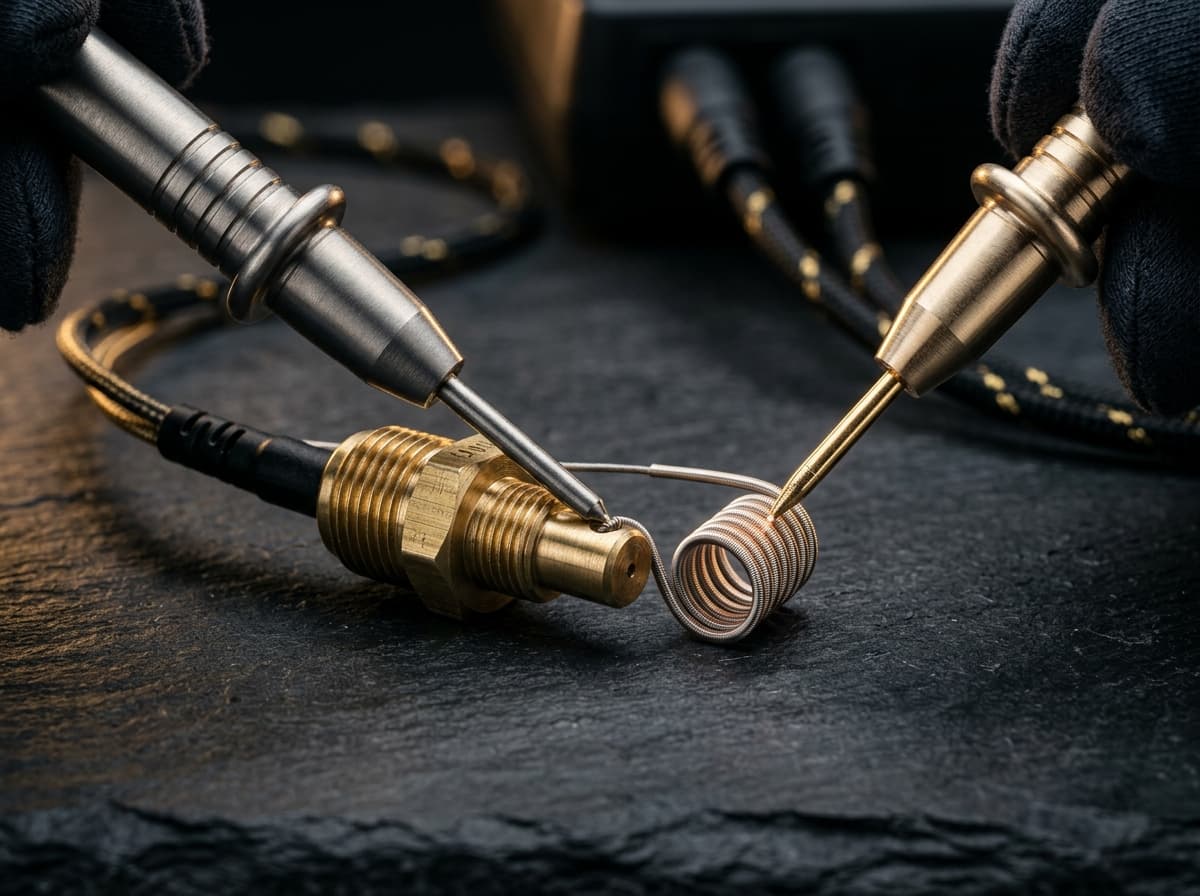
Set a digital multimeter to ohms (Ω). Disconnect power and test Drain Pump Motor Stator Coils across Across pump motor spade terminals (L-N unclipped). Expected nominal reading is 160Ω–220Ω (Sync 230V) / 20Ω–45Ω (3-Phase BLDC). Tolerance: ±10% balance. Insulation resistance between coil and motor chassis must exceed 20MΩ..
What safety protocol must be followed before servicing Gaggenau code E24?
Standard electrical safety protocol: 1. Disconnect 230V mains power before opening panels. 2. Verify zero voltage at test points. 3. Allow hot water or heating elements to cool below 30°C before handling.
Community Verification
COMMUNITYDid this solution resolve the issue?