
Field Actions
DISPATCHAlways disconnect appliance from 230V/400V mains before opening panels. Use CAT III multimeter for circuit testing.
Frequently Asked Questions: LG LED BLINKING 7 TIME REPEATEDLY
FAQ TREEWhat does error code LED BLINKING 7 TIME REPEATEDLY mean on a LG appliance?
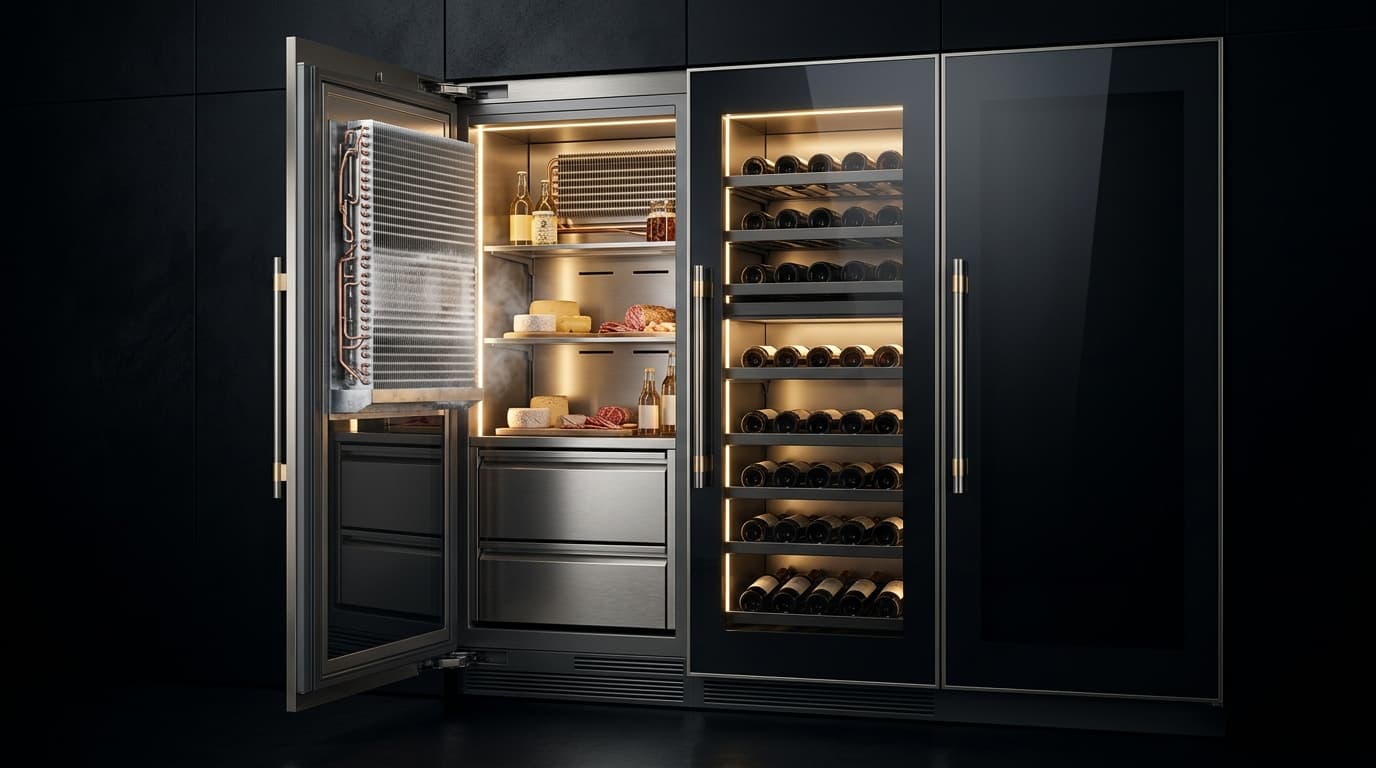
LG error code LED BLINKING 7 TIME REPEATEDLY indicates: On LG Refrigerator: Service guide LED blinking 7 time repeatedly..
What is the root cause of LG error code LED BLINKING 7 TIME REPEATEDLY?
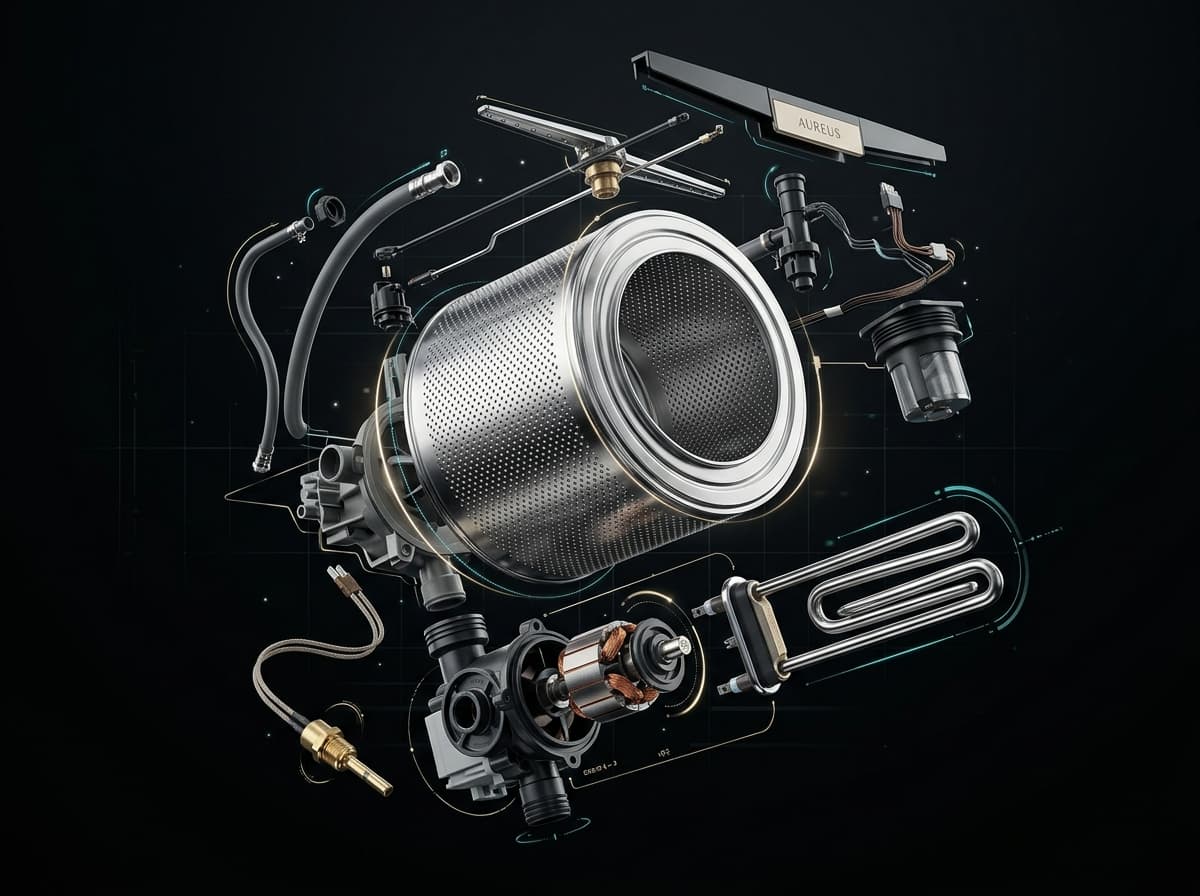
The primary root cause for LG code LED BLINKING 7 TIME REPEATEDLY is: On LG Refrigerator: Component fatigue, sensor feedback out of tolerance, wiring harness connector discontinuity, or electronic control board glitch..
How do I fix or resolve LG error code LED BLINKING 7 TIME REPEATEDLY?
To resolve error code LED BLINKING 7 TIME REPEATEDLY: On LG Refrigerator: Reset the power and check normal operation. If the same symptom occurs again, replace the PCB.
Is it safe to clear LG error code LED BLINKING 7 TIME REPEATEDLY by resetting power?
Resetting power (unplugging for 5–10 minutes) clears temporary memory errors. However, if LG code LED BLINKING 7 TIME REPEATEDLY persists, the physical component causing On LG Refrigerator: Component fatigue, sensor feedback out of tolerance, wiring harness connector discontinuity, or electronic control board glitch. must be inspected or replaced.
How do I test electrical resistance for LG code LED BLINKING 7 TIME REPEATEDLY using a multimeter?
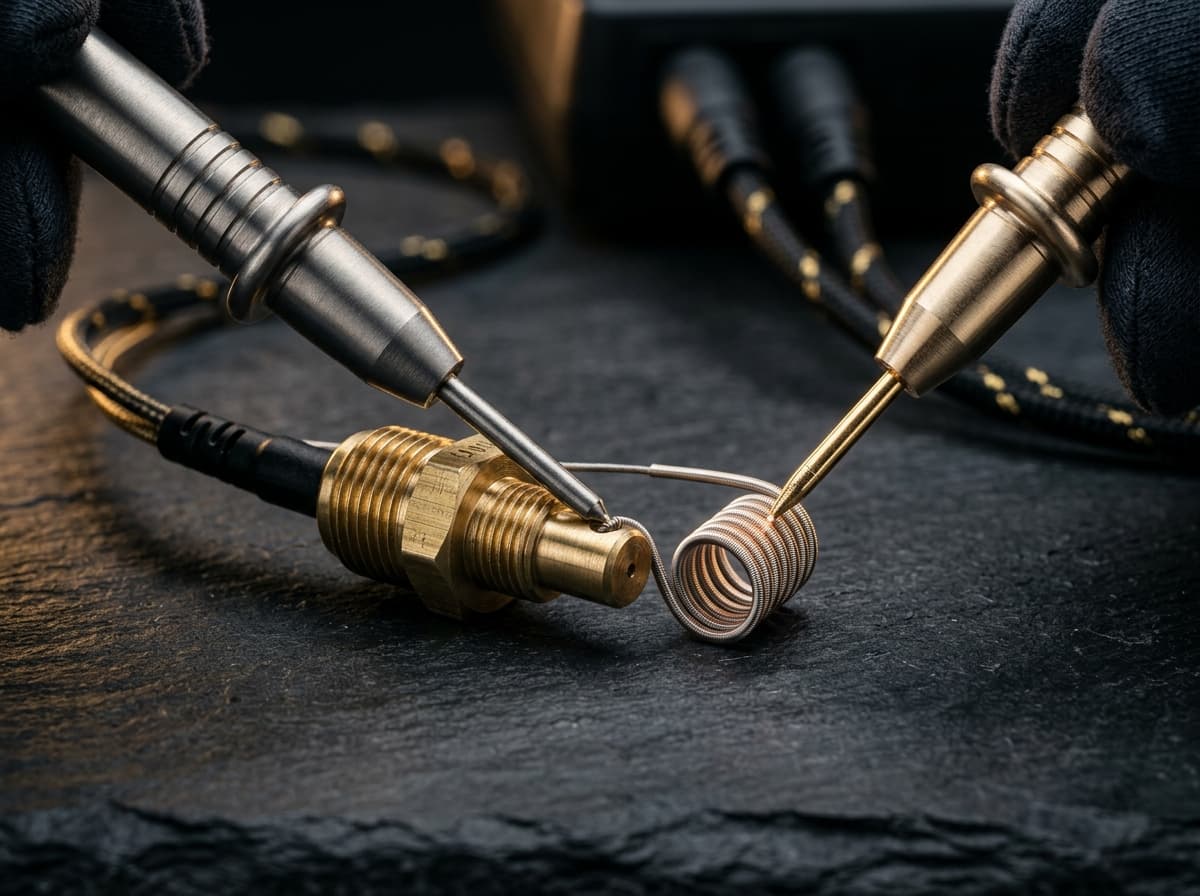
Set a digital multimeter to ohms (Ω). Disconnect power and test PCB Power Supply Rails & DC Bus Filter Capacitors across Across SMPS output electrolytic capacitors on low-voltage side (test bench verification). Expected nominal reading is Low-voltage rails: +5.0V DC (Logic), +12.0V DC (Relays), +3.3V DC (MCU). Relay coils: 200Ω–450Ω.. Tolerance: DC rail ripple must remain <50mV. Direct continuity (0Ω) across DC bus rails indicates dead short..
What safety protocol must be followed before servicing LG code LED BLINKING 7 TIME REPEATEDLY?
Standard electrical safety protocol: 1. Disconnect 230V mains power before opening panels. 2. Verify zero voltage at test points. 3. Allow hot water or heating elements to cool below 30°C before handling.
Community Verification
COMMUNITYDid this solution resolve the issue?