
Field Actions
DISPATCHAlways disconnect appliance from 230V/400V mains before opening panels. Use CAT III multimeter for circuit testing.
Frequently Asked Questions: Neff F44
FAQ TREEWhat does error code F44 mean on a Neff appliance?
Neff error code F44 indicates: Neff N 50 / N 70 / N 90 Efficient SilentDrive washing machine: No bidirectional motor rotation F44; drum only turns in one direction during wash tumble, reversing relay stuck..
What is the root cause of Neff error code F44?
The primary root cause for Neff code F44 is: On Neff washers: Welded contacts or defective coil on motor reversing relay on power control board, or broken track on stator harness..
How do I fix or resolve Neff error code F44?
To resolve error code F44: Inspect motor reversing relays on control board. Measure coil resistance of both reversing relays (nominal ~360–420 Ω). Replace power module if relay is welded. Turn selector to 6 o'clock position, press and hold Spin Speed reduction key, turn selector to 7 o'clock, release key, turn to Off.
Is it safe to clear Neff error code F44 by resetting power?
Resetting power (unplugging for 5–10 minutes) clears temporary memory errors. However, if Neff code F44 persists, the physical component causing On Neff washers: Welded contacts or defective coil on motor reversing relay on power control board, or broken track on stator harness. must be inspected or replaced.
How do I test electrical resistance for Neff code F44 using a multimeter?
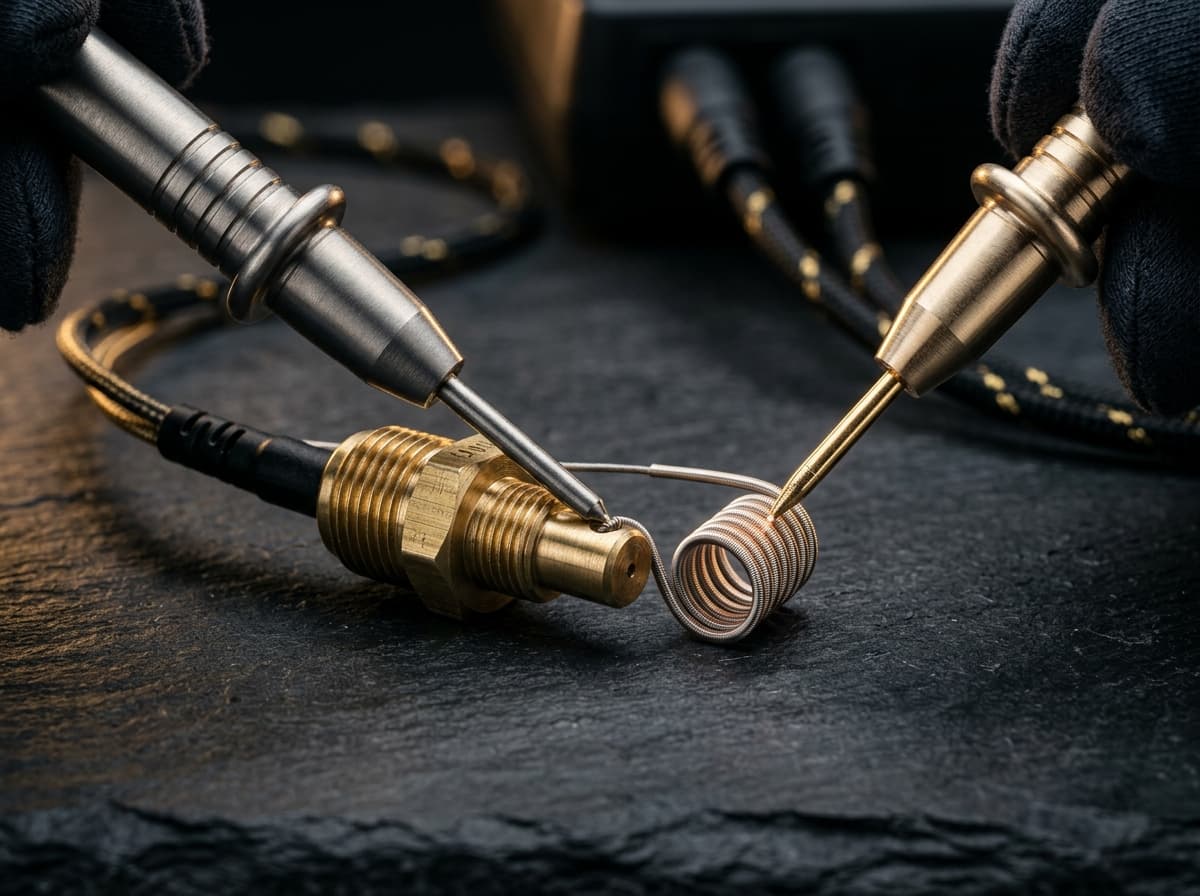
Set a digital multimeter to ohms (Ω). Disconnect power and test 3-Phase Motor Windings / Tacho Generator / Carbon Brushes across Across phase pins U-V, V-W, U-W on motor harness; across tacho pins. Expected nominal reading is 3Ω–6Ω (BLDC phase U-V-W) / 60Ω–180Ω (Tacho coil) / 1.5Ω–3.5Ω (Universal stator). Tolerance: BLDC phase winding values must be strictly balanced within ±0.3Ω. Hand rotation generates 1V–4V AC on tacho..
What safety protocol must be followed before servicing Neff code F44?
Standard electrical safety protocol: 1. Disconnect 230V mains power before opening panels. 2. Verify zero voltage at test points. 3. Allow hot water or heating elements to cool below 30°C before handling.
Community Verification
COMMUNITYDid this solution resolve the issue?