
Field Actions
DISPATCHAlways disconnect appliance from 230V/400V mains before opening panels. Use CAT III multimeter for circuit testing.
Frequently Asked Questions: Neff F60
FAQ TREEWhat does error code F60 mean on a Neff appliance?
Neff error code F60 indicates: Neff N 50 / N 70 / N 90 Efficient SilentDrive washing machine: Flow sensor flow rate out of calibrated bounds F60; discrepancy between flowmeter pulse frequency and pressure rise..
What is the root cause of Neff error code F60?
The primary root cause for Neff code F60 is: On Neff washers: Partially seized flow turbine wheel, partially blocked pressure switch chamber hose, or water inlet pressure oscillation..
How do I fix or resolve Neff error code F60?
To resolve error code F60: Inspect inline flowmeter and clean turbine chamber. Clean pressure switch air trap and clear any detergent gunk. Verify stable household water pressure. Turn selector to 6 o'clock position, press and hold Spin Speed reduction key, turn selector to 7 o'clock, release key, turn to Off.
Is it safe to clear Neff error code F60 by resetting power?
Resetting power (unplugging for 5–10 minutes) clears temporary memory errors. However, if Neff code F60 persists, the physical component causing On Neff washers: Partially seized flow turbine wheel, partially blocked pressure switch chamber hose, or water inlet pressure oscillation. must be inspected or replaced.
How do I test electrical resistance for Neff code F60 using a multimeter?
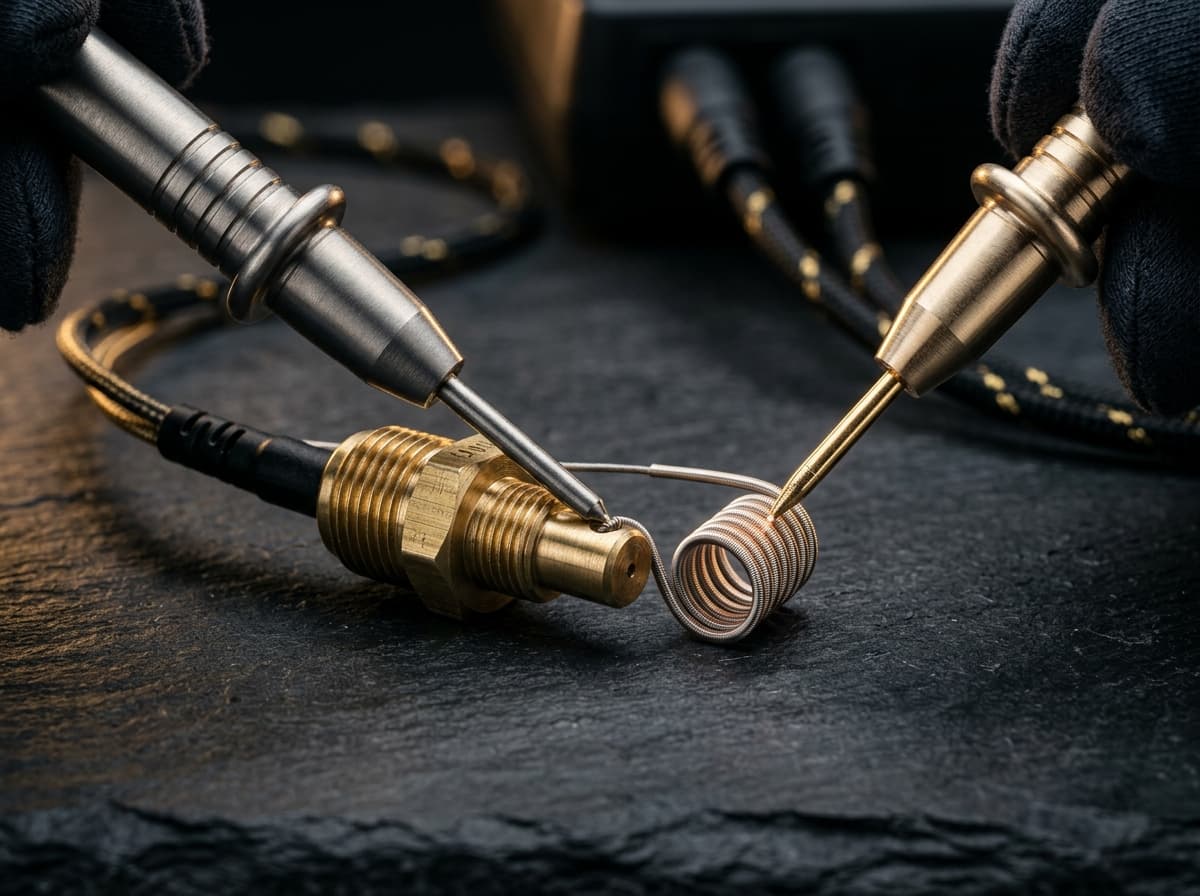
Set a digital multimeter to ohms (Ω). Disconnect power and test Mechanical Pressure Switch Contacts / Inductive Frequency Sensor across Across switch spade contacts with harness unplugged; electronic output: 40Hz–50Hz frequency signal. Expected nominal reading is Mechanical: Continuity 0.0Ω–0.2Ω (Empty: 11-12, Full: 11-14). Electronic: 20Ω–45Ω coil resistance.. Tolerance: Mechanical switch contacts must transition cleanly on gentle breath pressure. Coil ~22Ω ±5%..
What safety protocol must be followed before servicing Neff code F60?
Standard electrical safety protocol: 1. Disconnect 230V mains power before opening panels. 2. Verify zero voltage at test points. 3. Allow hot water or heating elements to cool below 30°C before handling.
Community Verification
COMMUNITYDid this solution resolve the issue?