Skip to content
CodesErreur.comSWISS PRO ENGINE
Core Diagnostics
DiagnosticsBrandsOEM ManualsSpecialistsAI EngineerPRO
Workshop Tools
Diagnostic ToolsNEW
Hardware interfaces & test probes
Find Rating Plate
Locate exact E-Nr, PNC & serial codes
Parts Locator
Global OEM spare parts suppliers
Community & Career
Academy & Courses
Masterclasses by senior technicians
Certification ExamsPRO
Verify your B2B technical credentials
Elite Forum
Peer-to-peer field troubleshooting
Tech Jobs
B2B recruitment & field opportunities
Leaderboard
Global ranking of verified specialists
Certified Appliance Engineering EcosystemApply for Certification →
Language Selector
ENFRDEITESPT
ENEnglishFRFrançaisDEDeutschITItalianoESEspañolPTPortuguês
Account & Access
Upgrade PRO
Back to Search
OEM VERIFIED BENCH
OFFICIAL FAULT CODEF-1
Samsung
Samsung // OFFICIAL DIAGNOSTIC BENCH

Samsung Oven F-1

OvenElectronic Control Board (PCB) & Bus Communications
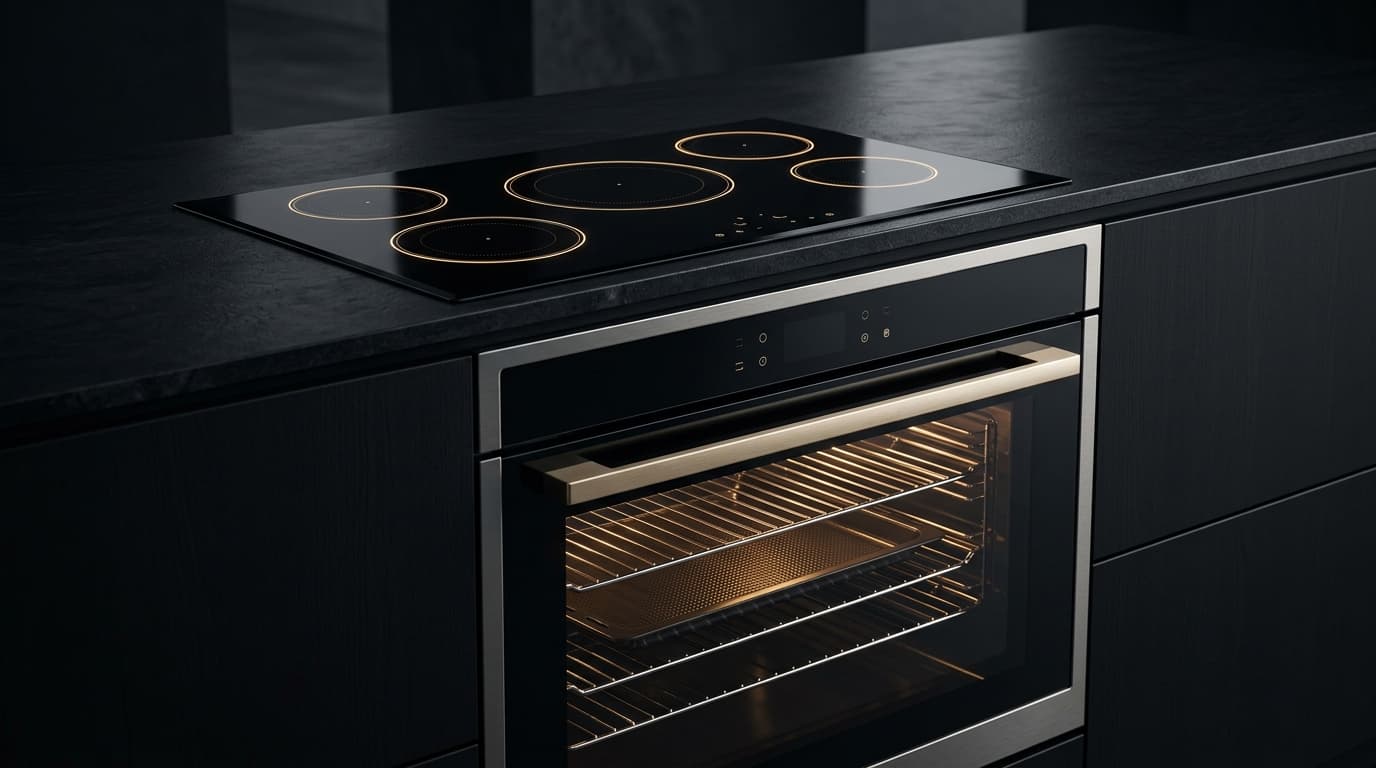
Integrated luxury convection oven and induction cooktop with illuminated touch controls
Oven
Other Brands Sharing Code F-1:BoschF1MieleF1SiemensF1LGF1WhirlpoolF1ElectroluxF1AEGF1IndesitF1HaierF1CandyF1

Symptom / Description

FAULT

Samsung F-1: Operational cycle fault detected during Oven / Microwave program execution.

TELEMETRY // LIVESIG: FAULT_DETECTED

Root Cause

ROOT CAUSE

On Samsung Oven: Internal communication error or failure on the main electronic control board (PBA).

CIRCUIT // SUBSYSTEMLOGIC: ROOT_ISOLATED

Repair Instructions

UNLOCKED
1On Samsung Oven: Reset the oven by turning off its circuit breaker for 5 minutes. If the error returns, the control board will likely need to be replaced by a technician.
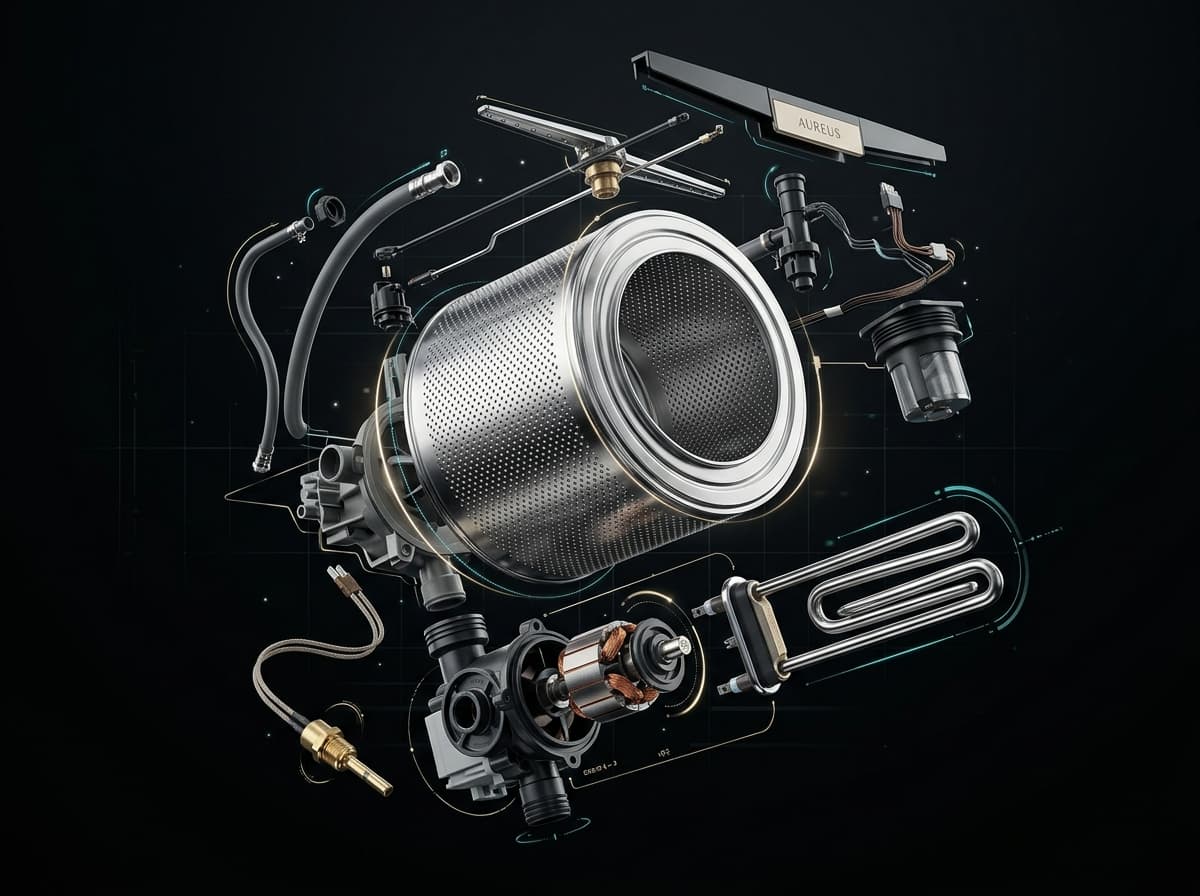
AI diagnostic workshop engine analyzing appliance circuit schematics and error telemetry in real time
AI WORKSHOP PROTOCOL ENGINE
Direct extraction from OEM factory manuals & wiring schematics

Field Actions

DISPATCH
Need Help? Call a Certified TechnicianWorldwide Samsung Parts Finder
Electrical & Safety Protocol

Always disconnect appliance from 230V/400V mains before opening panels. Use CAT III multimeter for circuit testing.
SWISS ATELIER TECHNICAL BLUEPRINT // 2026 SCHEMATIC STANDARD

Main Control PCB, Refrigeration & Sensor Bus Loop

230V AC Mains Filter, Low-Voltage SMPS DC Rails & MCU I2C/UART Bus

CALIBRATED TEST POINTS (TP1 / TP2)
ACTIVE MULTIMETER BENCH
MAIN PCB CONTROLLER32-BIT MCUFIRMWARE v26.4SOLID-STATE RELAYTRIAC TY1 // 16A 600V230V AC MAINSLINE FILTER L-NJ1J2TP1TP2PRECISION BENCH METERAUTO-RANGE ΩCAT III12.05 V DCVΩCOMMAIN CONTROL BOARDSMPS TRANSFORMERPRIMARY 230V / SECONDARY DC+12V DC+5V DCI2C / UART SENSOR BUS
Target Component
PCB Power Supply Rails & DC Bus Filter Capacitors
Nominal Resistance / Test Range
Low-voltage rails: +5.0V DC (Logic), +12.0V DC (Relays), +3.3V DC (MCU). Relay coils: 200Ω–450Ω.
Test Harness Pins
Across SMPS output electrolytic capacitors on low-voltage side (test bench verification)
Diagnostic Verification Rule
Verify clean DC rails without ripple. Defective SMPS capacitors or burned MCU comm bus triggers system lock.
CALIBRATED BENCH PROTOCOL // CAT III 600V

Workshop Verification & Safety Checklist

WORKSHOP VERIFICATION PROTOCOLElectronic Control Board (PCB) & Bus CommunicationsOven / Microwave
2. Multimeter & Electrical Bench Tests (Ω)
MODE: OHMMETER (Ω)AUTO-RANGE
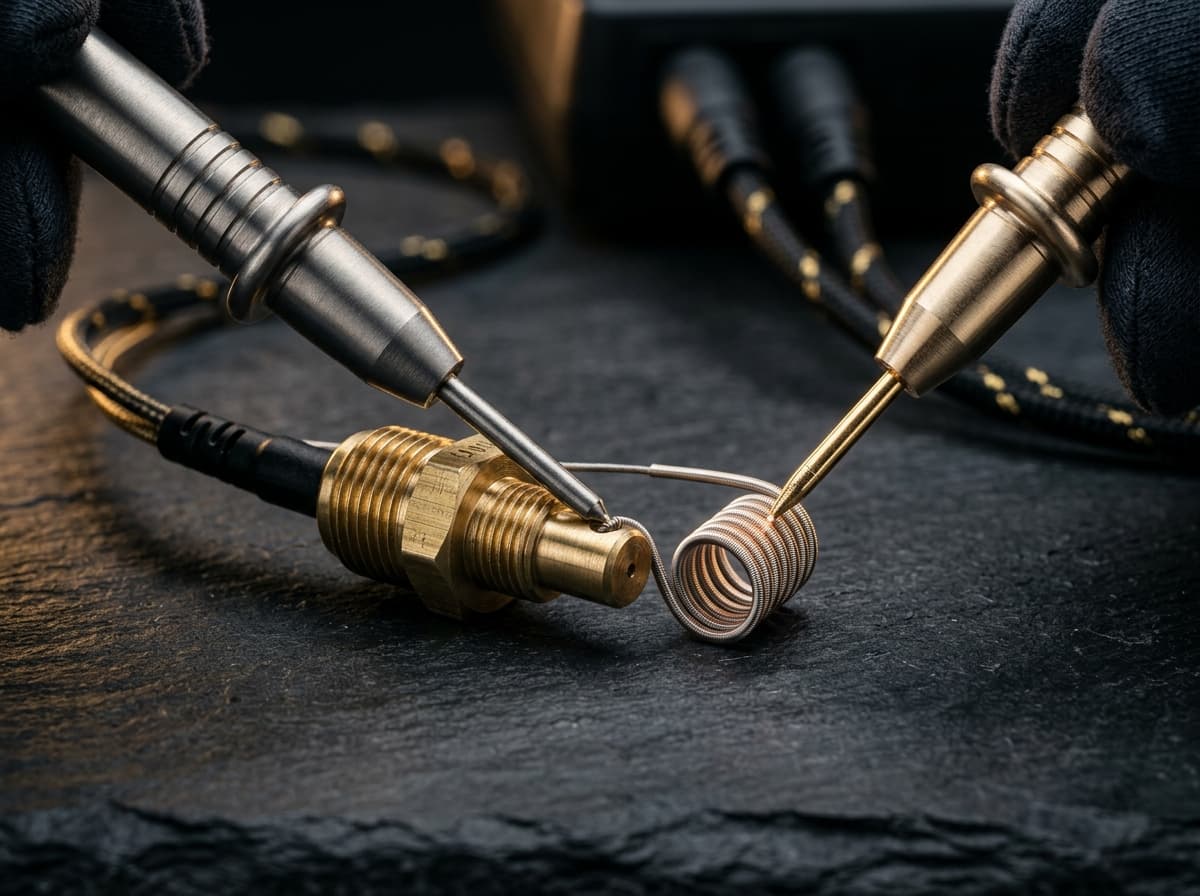
Precision digital multimeter probes measuring electrical resistance in Ohms on an appliance control board
CALIBRATED METROLOGY RESISTANCE BENCH (CAT III)
Nominal Resistance (Ω)
Low-voltage rails: +5.0V DC (Logic), +12.0V DC (Relays), +3.3V DC (MCU). Relay coils: 200Ω–450Ω.NOMINAL
0 Ω (SHORT)CALIBRATED BAND∞ OL (OPEN)
▲ NOMINAL OPERATING WINDOW
Target Component:PCB Power Supply Rails & DC Bus Filter Capacitors
Test Pins & Connections
PROBE (+)
PROBE (-)
Across SMPS output electrolytic capacitors on low-voltage side (test bench verification)
Tolerance & Diagnostic CriteriaDC rail ripple must remain <50mV. Direct continuity (0Ω) across DC bus rails indicates dead short.
1. Pre-Intervention Electrical Safety Protocols
  • !High-Voltage Safety Protocol: Disconnect 230V power before unplugging edge connectors or removing PCB.
  • !High Voltage DC Warning: Wait at least 5 minutes for SMPS and inverter filter capacitors (up to 380V DC) to discharge safely.
  • !Electrostatic Discharge (ESD): Ground yourself to the metal chassis or wear an antistatic wrist strap before touching circuit tracks.
3. Preliminary Mechanical & Visual Checks
  • Inspect PCB tracks with a magnifying glass for blown triacs, darkened copper tracks, or cold solder joints on power relays.
  • Check electrolytic capacitors for bulging tops or leaked electrolyte residue around pins.
  • Verify edge connector locking clips are intact and pins are free of vibration fretting corrosion.
Perform these diagnostic steps before triggering AI Deep Search or replacing boards.Certified Workshop Routine

Frequently Asked Questions: Samsung F-1

FAQ TREE
What does error code F-1 mean on a Samsung appliance?

Samsung error code F-1 indicates: Samsung F-1: Operational cycle fault detected during Oven / Microwave program execution..

What is the root cause of Samsung error code F-1?

The primary root cause for Samsung code F-1 is: On Samsung Oven: Internal communication error or failure on the main electronic control board (PBA)..

How do I fix or resolve Samsung error code F-1?

To resolve error code F-1: On Samsung Oven: Reset the oven by turning off its circuit breaker for 5 minutes. If the error returns, the control board will likely need to be replaced by a technician.

Is it safe to clear Samsung error code F-1 by resetting power?

Resetting power (unplugging for 5–10 minutes) clears temporary memory errors. However, if Samsung code F-1 persists, the physical component causing On Samsung Oven: Internal communication error or failure on the main electronic control board (PBA). must be inspected or replaced.

How do I test electrical resistance for Samsung code F-1 using a multimeter?

Set a digital multimeter to ohms (Ω). Disconnect power and test PCB Power Supply Rails & DC Bus Filter Capacitors across Across SMPS output electrolytic capacitors on low-voltage side (test bench verification). Expected nominal reading is Low-voltage rails: +5.0V DC (Logic), +12.0V DC (Relays), +3.3V DC (MCU). Relay coils: 200Ω–450Ω.. Tolerance: DC rail ripple must remain <50mV. Direct continuity (0Ω) across DC bus rails indicates dead short..

What safety protocol must be followed before servicing Samsung code F-1?

Standard electrical safety protocol: 1. Disconnect 230V mains power before opening panels. 2. Verify zero voltage at test points. 3. Allow hot water or heating elements to cool below 30°C before handling.

Community Verification

COMMUNITY

Did this solution resolve the issue?

SEMANTIC KNOWLEDGE GRAPH // SAMSUNG

Related Samsung Oven / Microwave Error Codes

Diagnostic Link Mesh14 OEM Cross-References

Cross-referenced diagnostic codes for technicians inspecting similar component subsystems.

F-3Oven
Heating Element, Thermostat & Safety Fuse
Samsung F-3: Water/air heating failure in Oven / Microwave; heating circuit does not reach s...
Inspect Protocol
F01Oven
Heating Element, Thermostat & Safety Fuse
Samsung Dual Cook Flex / Infinite Line / Bespoke Convection Oven: Heating element relay stuc...
Inspect Protocol
F02Oven
Electronic Control Board (PCB) & Bus Communications
Samsung Dual Cook Flex / Infinite Line / Bespoke Convection Oven: Continuous capacitive touc...
Inspect Protocol
F03Oven
Electronic Control Board (PCB) & Bus Communications
Samsung Dual Cook Flex / Infinite Line / Bespoke Convection Oven: Appliance model coding or ...
Inspect Protocol
C-20Oven
NTC Temperature Sensor & Thermistor
Oven temperature sensor error.. Diagnostic error code C-20 reported on Samsung Oven.
Inspect Protocol
C-A2Oven
Drive Motor, Inverter & Tachometer Sensor
Samsung C-A2: Motor drive or inverter rotation anomaly in Oven / Microwave; drum/motor fails...
Inspect Protocol
C-d0Oven
Drive Motor, Inverter & Tachometer Sensor
Door locking mechanism fault.. Diagnostic error code C-d0 reported on Samsung Oven.
Inspect Protocol
-dE-Oven
Drive Motor, Inverter & Tachometer Sensor
Samsung -DE-: Motor drive or inverter rotation anomaly in Oven / Microwave; drum/motor fails...
Inspect Protocol
E01Oven
NTC Temperature Sensor & Thermistor
Samsung Dual Cook Flex / Infinite Line / Bespoke Convection Oven: Cavity temperature sensor ...
Inspect Protocol
E02Oven
Drive Motor, Inverter & Tachometer Sensor
Samsung Dual Cook Flex / Infinite Line / Bespoke Convection Oven: Pyrolytic door lock mechan...
Inspect Protocol
E03Oven
Heating Element, Thermostat & Safety Fuse
Samsung Dual Cook Flex / Infinite Line / Bespoke Convection Oven: Tangential cooling fan mot...
Inspect Protocol
E04Oven
Heating Element, Thermostat & Safety Fuse
Samsung Dual Cook Flex / Infinite Line / Bespoke Convection Oven: Cavity high-limit overtemp...
Inspect Protocol
E05Oven
Heating Element, Thermostat & Safety Fuse
Samsung Dual Cook Flex / Infinite Line / Bespoke Convection Oven: Bottom sole heating elemen...
Inspect Protocol
E06Oven
General System & Mechanical Integration
Samsung Dual Cook Flex / Infinite Line / Bespoke Convection Oven: Circular convection ring e...
Inspect Protocol
CodesErreur.com

Premium appliance diagnostics & repair database.
Powered by AI to help certified technicians worldwide.

Trusted by professionals in CH & FR

Platform

Search DatabasePRO Diagnostic AIPRODiagnostic ToolsBrands

Workshop Tools

Brands (87)OEM ManualsFind Rating PlateParts Locator

For Technicians

SpecialistsTechnician ForumTech JobsPremium

Corporate

Terms of ServicePrivacy PolicyOfficial Swiss Repair Partner: Electroassistance
OPERATIONAL SAFETY SPECIFICATION

SAFETY DISCLAIMER

The technical information, diagnostic guides, error codes, and AI-generated suggestions provided on this website are intended exclusively for certified and qualified professionals. Appliance repair involves severe electrical hazards, high voltages, and mechanical risks that can result in fatal injury or severe property damage. If you are not a trained technician, do not attempt to repair any appliances. CodesErreur assumes no responsibility or liability for any damage, injury, or consequential losses resulting from the use of the information provided on this platform. You use all information entirely at your own risk.

© 2026 CodesErreur. All rights reserved.

Terms of Service Privacy Policy