
Field Actions
DISPATCHAlways disconnect appliance from 230V/400V mains before opening panels. Use CAT III multimeter for circuit testing.
Frequently Asked Questions: Zanussi E20
FAQ TREEWhat does error code E20 mean on a Zanussi appliance?
Zanussi error code E20 indicates: Zanussi Lindo 100/300 / ZWF Front Load Washer: Water drainage general fault E20; machine cannot evacuate water before spin or rinse cycle transition..
What is the root cause of Zanussi error code E20?
The primary root cause for Zanussi code E20 is: On Zanussi (Zanussi Lindo 100/300 / ZWF Front Load Washer) models: Drain filter clogged by coins or lint, foreign object jammed in pump impeller, synchronous pump coil open (nominal 160–220 Ω), or kinked waste pipe..
How do I fix or resolve Zanussi error code E20?
To resolve error code E20: Unscrew lower front filter and clean impeller housing. Verify free impeller rotation. Measure pump motor coil with multimeter (160–220 Ω). Hold Start/Pause plus Skip/Option button simultaneously for 5 seconds until three rapid confirmation beeps clear persistent error memory.
Is it safe to clear Zanussi error code E20 by resetting power?
Resetting power (unplugging for 5–10 minutes) clears temporary memory errors. However, if Zanussi code E20 persists, the physical component causing On Zanussi (Zanussi Lindo 100/300 / ZWF Front Load Washer) models: Drain filter clogged by coins or lint, foreign object jammed in pump impeller, synchronous pump coil open (nominal 160–220 Ω), or kinked waste pipe. must be inspected or replaced.
How do I test electrical resistance for Zanussi code E20 using a multimeter?
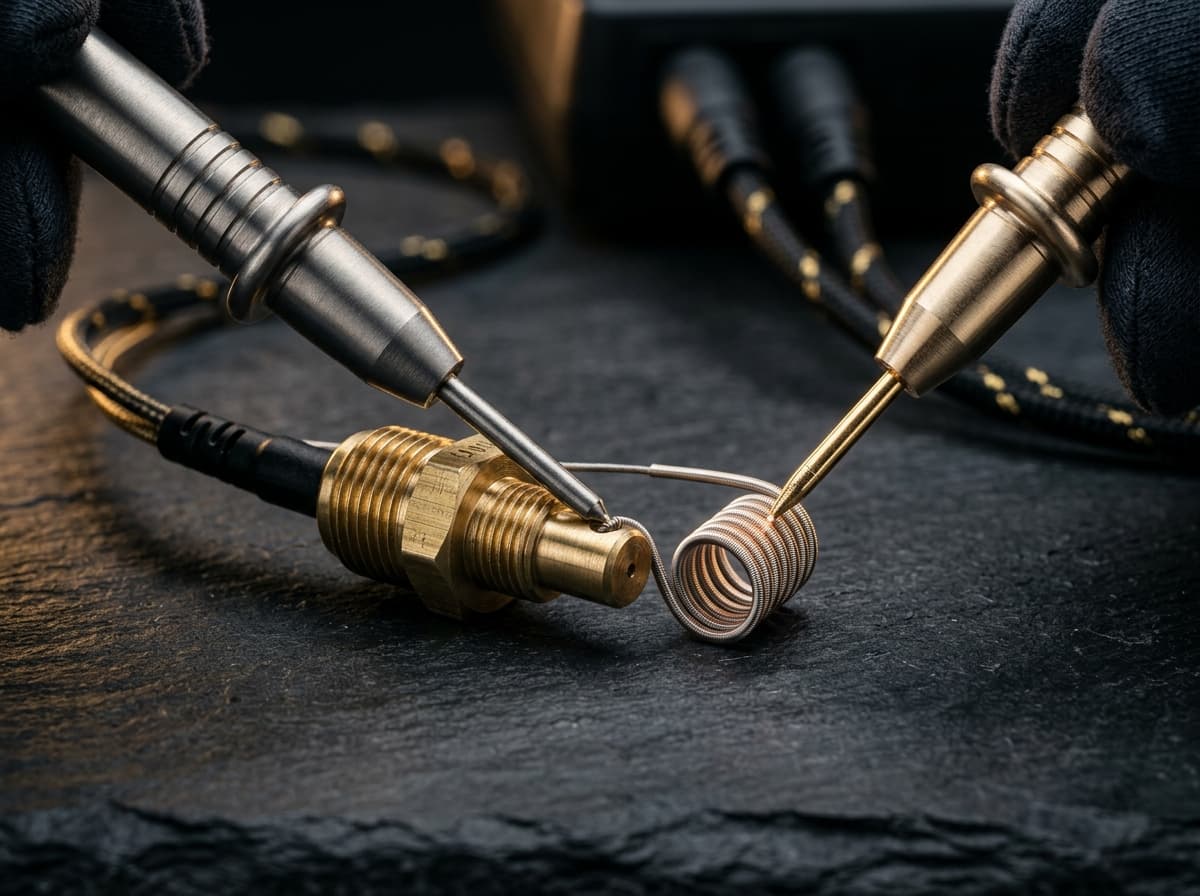
Set a digital multimeter to ohms (Ω). Disconnect power and test Drain Pump Motor Stator Coils across Across pump motor spade terminals (L-N unclipped). Expected nominal reading is 160Ω–220Ω (Sync 230V) / 20Ω–45Ω (3-Phase BLDC). Tolerance: ±10% balance. Insulation resistance between coil and motor chassis must exceed 20MΩ..
What safety protocol must be followed before servicing Zanussi code E20?
Standard electrical safety protocol: 1. Disconnect 230V mains power before opening panels. 2. Verify zero voltage at test points. 3. Allow hot water or heating elements to cool below 30°C before handling.
Community Verification
COMMUNITYDid this solution resolve the issue?