Skip to content
CodesErreur.comSWISS PRO ENGINE
Core Diagnostics
DiagnosticsBrandsOEM ManualsSpecialistsAI EngineerPRO
Workshop Tools
Diagnostic ToolsNEW
Hardware interfaces & test probes
Find Rating Plate
Locate exact E-Nr, PNC & serial codes
Parts Locator
Global OEM spare parts suppliers
Community & Career
Academy & Courses
Masterclasses by senior technicians
Certification ExamsPRO
Verify your B2B technical credentials
Elite Forum
Peer-to-peer field troubleshooting
Tech Jobs
B2B recruitment & field opportunities
Leaderboard
Global ranking of verified specialists
Certified Appliance Engineering EcosystemApply for Certification →
Language Selector
Account & Access
Upgrade PRO
Back to Search
OEM VERIFIED BENCH
OFFICIAL FAULT CODEE01
Iberna
Iberna // OFFICIAL DIAGNOSTIC BENCH

Iberna E01

Washing MachineDoor Lock Mechanism & Safety Interlock
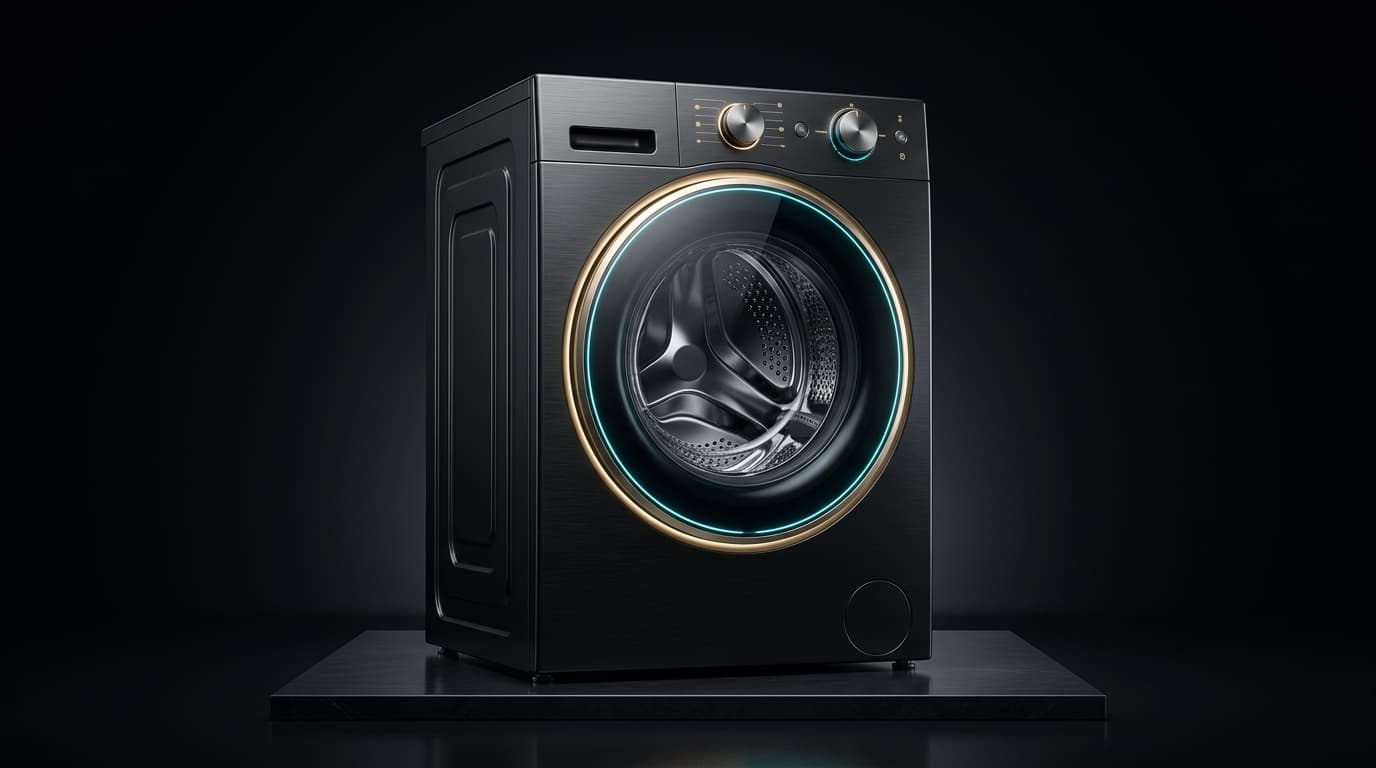
Luxury front-loading washing machine in brushed titanium with illuminated dark glass drum
Washing Machine
Other Brands Sharing Code E01:BoschE01SiemensE01ElectroluxE01AEGE01CandyE01V-ZugE01HooverE01ZanussiE01Arthur MartinE01GaggenauE01

Symptom / Description

FAULT

Door lock fault, machine will not start.

TELEMETRY // LIVESIG: FAULT_DETECTED

Root Cause

ROOT CAUSE

The door is not properly closed, the door lock mechanism (interlock) is faulty, or there's an issue with the wiring to the lock.

CIRCUIT // SUBSYSTEMLOGIC: ROOT_ISOLATED

Repair Instructions

UNLOCKED
1Ensure the door is firmly closed. Check wiring connections to the door lock. If the problem persists, replace the door interlock.
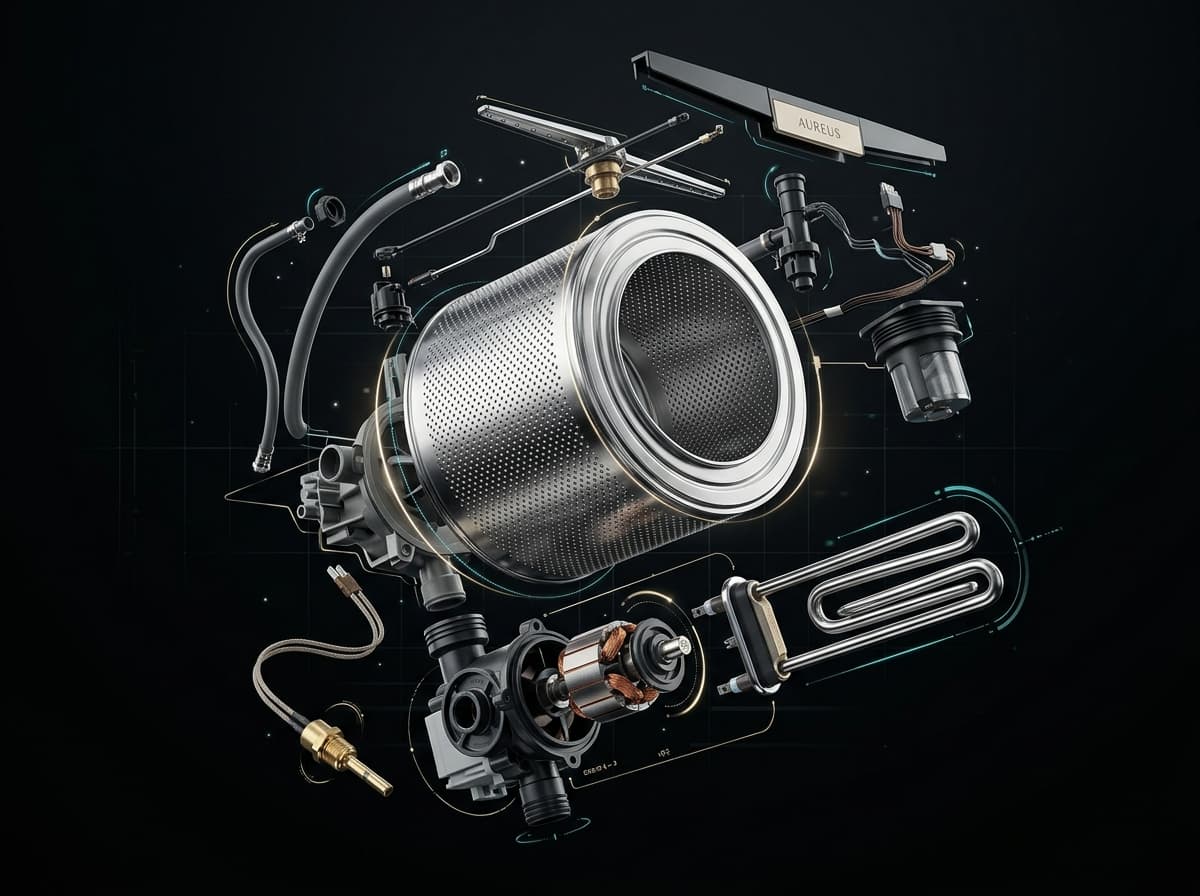
AI diagnostic workshop engine analyzing appliance circuit schematics and error telemetry in real time
AI WORKSHOP PROTOCOL ENGINE
Direct extraction from OEM factory manuals & wiring schematics

Field Actions

DISPATCH
Need Help? Call a Certified TechnicianWorldwide Iberna Parts Finder
Electrical & Safety Protocol

Always disconnect appliance from 230V/400V mains before opening panels. Use CAT III multimeter for circuit testing.
CALIBRATED BENCH PROTOCOL // CAT III 600V

Workshop Verification & Safety Checklist

WORKSHOP VERIFICATION PROTOCOLDoor Lock Mechanism & Safety InterlockWashing Machine
2. Multimeter & Electrical Bench Tests (Ω)
MODE: OHMMETER (Ω)AUTO-RANGE
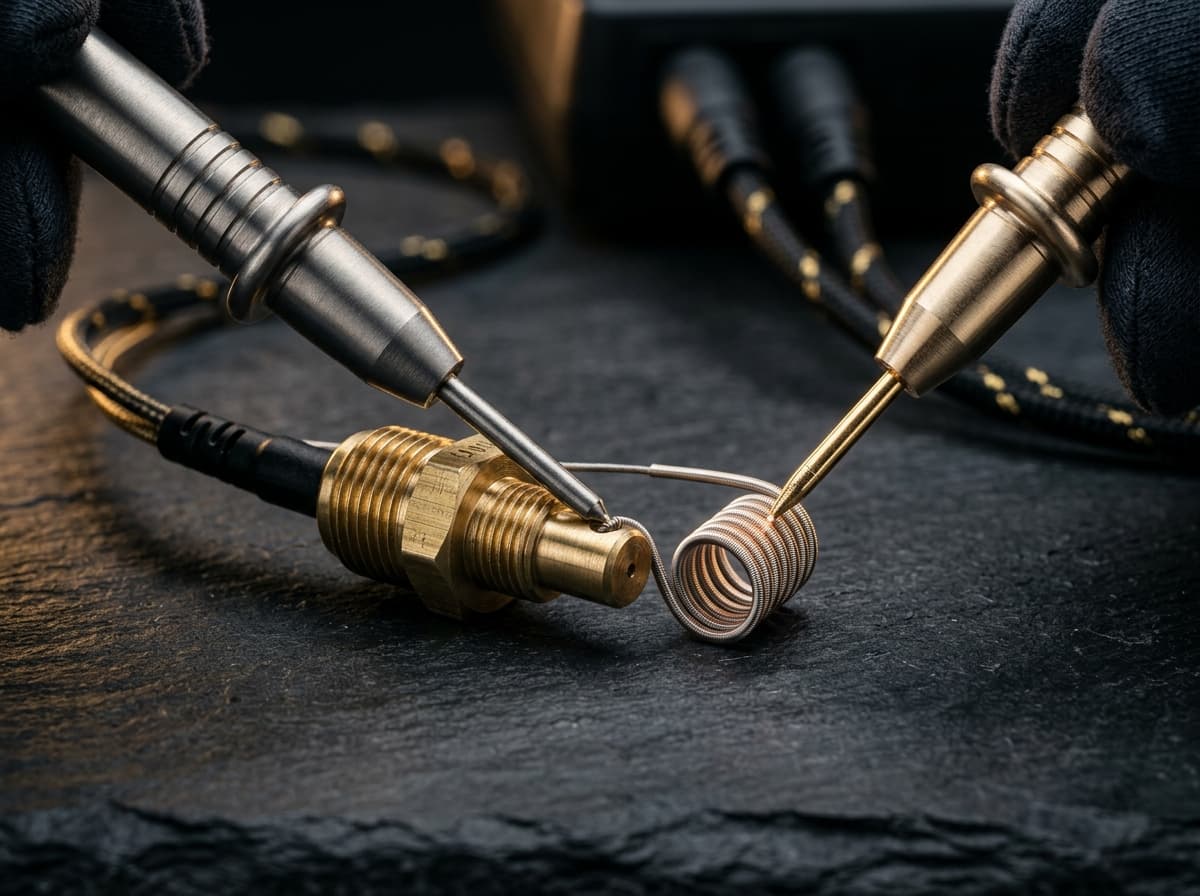
Precision digital multimeter probes measuring electrical resistance in Ohms on an appliance control board
CALIBRATED METROLOGY RESISTANCE BENCH (CAT III)
Nominal Resistance (Ω)
800Ω–1.5kΩ (PTC terminals L-N) / 60Ω–120Ω (Pulse Solenoid)NOMINAL
0 Ω (SHORT)CALIBRATED BAND∞ OL (OPEN)
▲ NOMINAL OPERATING WINDOW
Target Component:PTC Heater Pellet / Pulse Solenoid / Microswitch Contacts
Test Pins & Connections
PROBE (+)
PROBE (-)
Across PTC heater terminals on lock bezel; switch contact reads <0.2Ω when locked
Tolerance & Diagnostic Criteria±15%. Switch contacts must read open (OL) when unlocked and 0.0Ω–0.2Ω when fully latched.
1. Pre-Intervention Electrical Safety Protocols
  • !Electrical Safety Protocol: Disconnect 230V mains power before releasing door gasket clamp or lock retaining screws.
  • !Never short-circuit or bypass the safety door lock contacts: severe hazard of rotating drum exposure or fire.
  • !Keep fingers away from spring-loaded latch mechanisms during closure cycling.
3. Preliminary Mechanical & Visual Checks
  • Inspect door strike pin and handle latch hook for plastic deformation, breakage, or misalignment.
  • Check door hinge alignment: a sagging door prevents the latch tongue from engaging the safety microswitch.
  • Locate and verify emergency manual pull cord inside the lower drain pump hatch.
Perform these diagnostic steps before triggering AI Deep Search or replacing boards.Certified Workshop Routine

Frequently Asked Questions: Iberna E01

FAQ TREE
What does error code E01 mean on a Iberna appliance?

Iberna error code E01 indicates: Door lock fault, machine will not start..

What is the root cause of Iberna error code E01?

The primary root cause for Iberna code E01 is: The door is not properly closed, the door lock mechanism (interlock) is faulty, or there's an issue with the wiring to the lock..

How do I fix or resolve Iberna error code E01?

To resolve error code E01: Ensure the door is firmly closed. Check wiring connections to the door lock. If the problem persists, replace the door interlock.

Is it safe to clear Iberna error code E01 by resetting power?

Resetting power (unplugging for 5–10 minutes) clears temporary memory errors. However, if Iberna code E01 persists, the physical component causing The door is not properly closed, the door lock mechanism (interlock) is faulty, or there's an issue with the wiring to the lock. must be inspected or replaced.

How do I test electrical resistance for Iberna code E01 using a multimeter?

Set a digital multimeter to ohms (Ω). Disconnect power and test PTC Heater Pellet / Pulse Solenoid / Microswitch Contacts across Across PTC heater terminals on lock bezel; switch contact reads <0.2Ω when locked. Expected nominal reading is 800Ω–1.5kΩ (PTC terminals L-N) / 60Ω–120Ω (Pulse Solenoid). Tolerance: ±15%. Switch contacts must read open (OL) when unlocked and 0.0Ω–0.2Ω when fully latched..

What safety protocol must be followed before servicing Iberna code E01?

Standard electrical safety protocol: 1. Disconnect 230V mains power before opening panels. 2. Verify zero voltage at test points. 3. Allow hot water or heating elements to cool below 30°C before handling.

Community Verification

COMMUNITY

Did this solution resolve the issue?

SEMANTIC KNOWLEDGE GRAPH // IBERNA

Related Iberna Washing Machine Error Codes

Diagnostic Link Mesh14 OEM Cross-References

Cross-referenced diagnostic codes for technicians inspecting similar component subsystems.

E02Water Inlet Valve, Aquastop & Flowmeter
Water fill fault. Machine does not fill with water or fills very slowly.
Inspect Protocol
E03Drainage System & Drain Pump
Drainage fault. Water remains in the drum after the cycle.
Inspect Protocol
E04Water Level Pressure Switch & Air Dome
Overfill or anti-flood error. Too much water in the drum.
Inspect Protocol
E05NTC Temperature Sensor & Thermistor
Temperature sensor (NTC) fault. Machine may not heat water or may stop mid-cycle.
Inspect Protocol
E07Drive Motor, Inverter & Tachometer Sensor
Motor fault. The motor may not turn, or it may spin too fast and then stop.
Inspect Protocol
E08Drive Motor, Inverter & Tachometer Sensor
Motor speed sensor fault. Drum may jerk or spin uncontrollably before stopping.
Inspect Protocol
E09Drive Motor, Inverter & Tachometer Sensor
Motor control board (triac) fault. The motor does not run.
Inspect Protocol
E16Heating Element, Thermostat & Safety Fuse
Heating element fault. The machine trips the circuit breaker or does not heat the water.
Inspect Protocol
E1Water Inlet Valve, Aquastop & Flowmeter
Water fill timeout. Dishwasher beeps and stops early in the cycle.
Inspect Protocol
E2Drainage System & Drain Pump
Drainage timeout. Water is left in the bottom of the dishwasher.
Inspect Protocol
E3Heating Element, Thermostat & Safety Fuse
Water heating fault. Dishes are not cleaned or dried properly.
Inspect Protocol
E4Water Level Pressure Switch & Air Dome
Water leak or overfill detected. The machine may stop and continuously drain.
Inspect Protocol
E5NTC Temperature Sensor & Thermistor
Temperature sensor (NTC) fault. Program may not run correctly or complete.
Inspect Protocol
F1NTC Temperature Sensor & Thermistor
Freezer temperature is not correct or temperature display is flashing.
Inspect Protocol
CodesErreur.com

Premium appliance diagnostics & repair database.
Powered by AI to help certified technicians worldwide.

Trusted by professionals in CH & FR

Platform

Search DatabasePRO Diagnostic AIPRODiagnostic ToolsBrands

Workshop Tools

Brands (87)OEM ManualsFind Rating PlateParts Locator

For Technicians

SpecialistsTechnician ForumTech JobsPremium

Corporate

Terms of ServicePrivacy PolicyOfficial Swiss Repair Partner: Electroassistance
OPERATIONAL SAFETY SPECIFICATION

SAFETY DISCLAIMER

The technical information, diagnostic guides, error codes, and AI-generated suggestions provided on this website are intended exclusively for certified and qualified professionals. Appliance repair involves severe electrical hazards, high voltages, and mechanical risks that can result in fatal injury or severe property damage. If you are not a trained technician, do not attempt to repair any appliances. CodesErreur assumes no responsibility or liability for any damage, injury, or consequential losses resulting from the use of the information provided on this platform. You use all information entirely at your own risk.

© 2026 CodesErreur. All rights reserved.

Official Swiss Repair Partner: Electroassistance Terms of Service Privacy Policy