
Field Actions
DISPATCHAlways disconnect appliance from 230V/400V mains before opening panels. Use CAT III multimeter for circuit testing.
Frequently Asked Questions: Neff E55
FAQ TREEWhat does error code E55 mean on a Neff appliance?
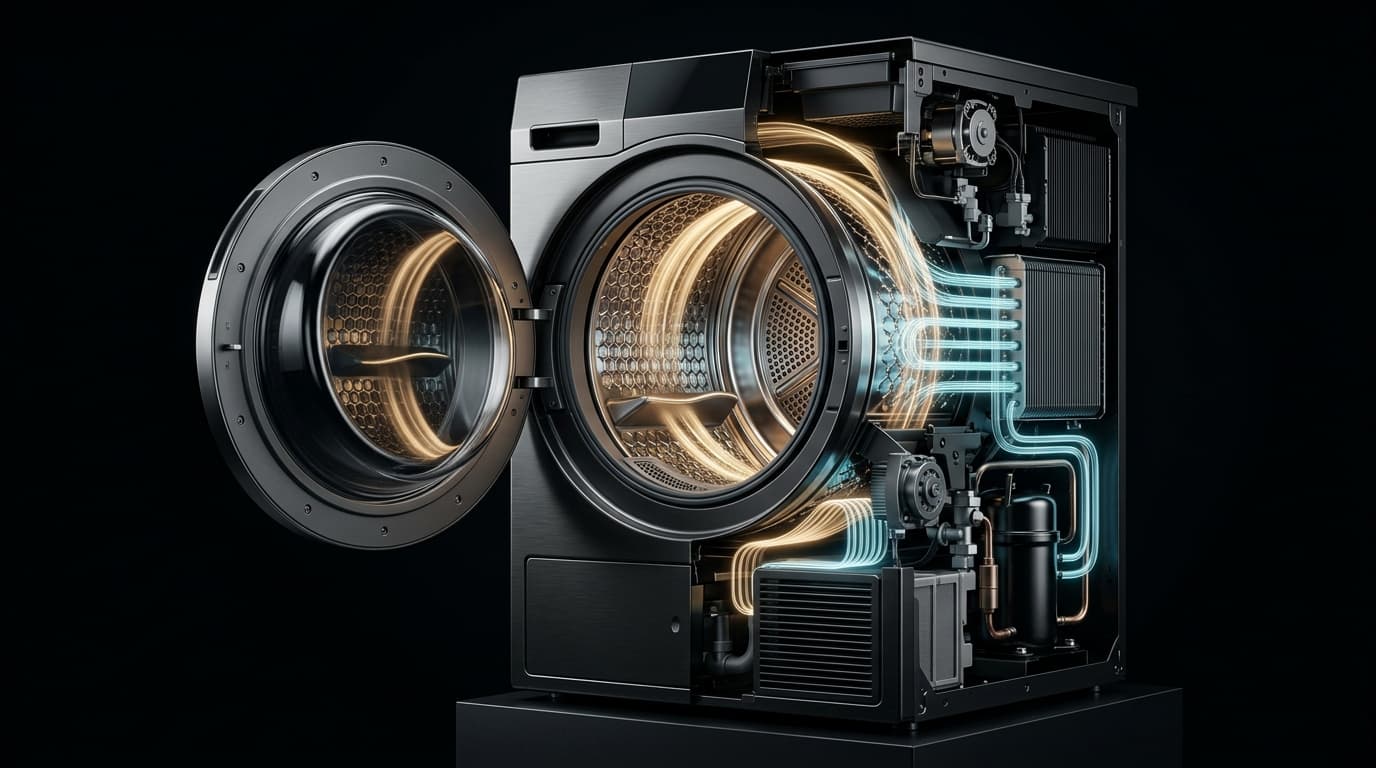
Neff error code E55 indicates: Neff N 70 / N 90 Heat Pump Condenser tumble dryer: Compressor rotor locked / stalled E55; heat pump compressor fails to turn over, inverter trips on locked-rotor current..
What is the root cause of Neff error code E55?
The primary root cause for Neff code E55 is: On Neff tumble dryers: Mechanical seizure of rotary compression scroll, high head pressure due to blocked heat exchanger, or liquid slugging..
How do I fix or resolve Neff error code E55?
To resolve error code E55: Allow system pressures to equalize for 1 hour. Clean all heat exchanger fins thoroughly. If compressor remains seized, sealed refrigeration repair is required. Turn dial to position 6, hold Low Heat/Delicates button, turn dial to position 7, release and turn back to Off.
Is it safe to clear Neff error code E55 by resetting power?
Resetting power (unplugging for 5–10 minutes) clears temporary memory errors. However, if Neff code E55 persists, the physical component causing On Neff tumble dryers: Mechanical seizure of rotary compression scroll, high head pressure due to blocked heat exchanger, or liquid slugging. must be inspected or replaced.
How do I test electrical resistance for Neff code E55 using a multimeter?
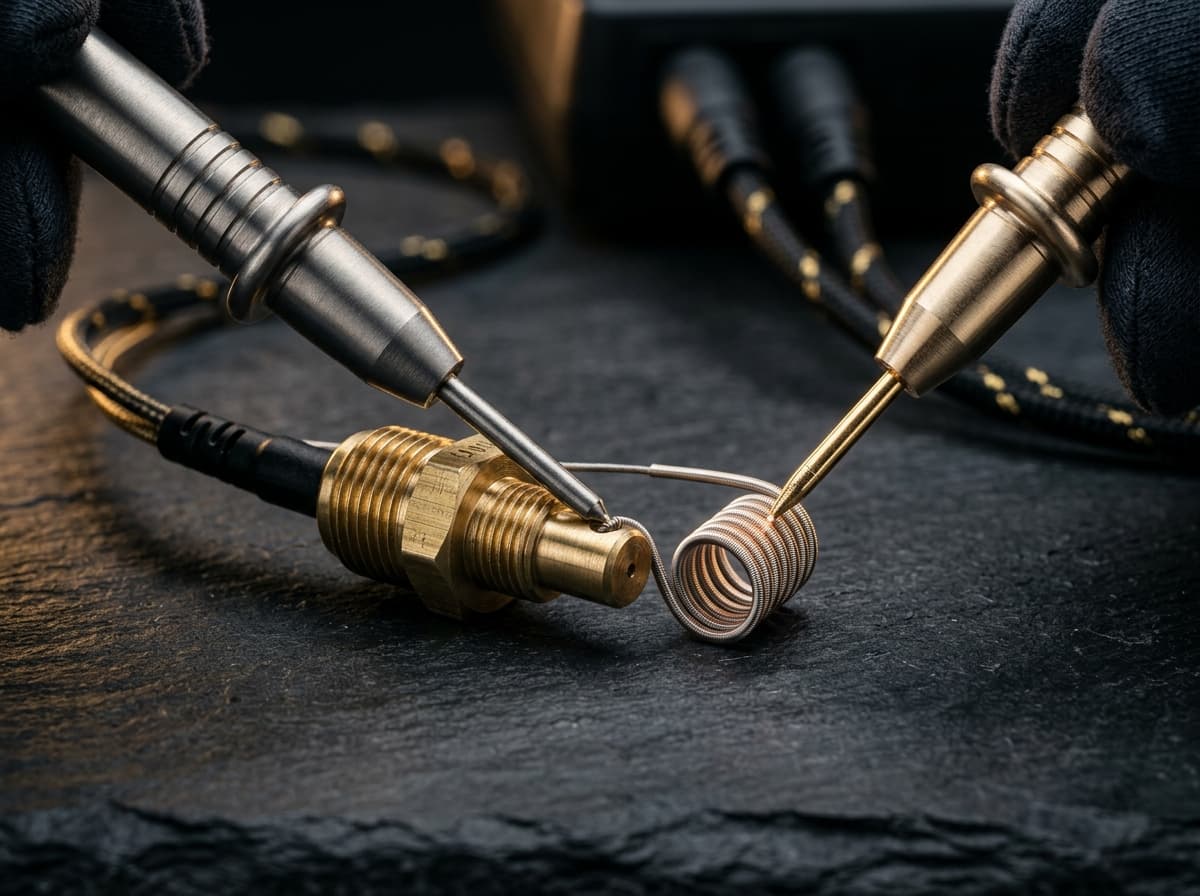
Set a digital multimeter to ohms (Ω). Disconnect power and test 3-Phase Motor Windings / Tacho Generator / Carbon Brushes across Across phase pins U-V, V-W, U-W on motor harness; across tacho pins. Expected nominal reading is 3Ω–6Ω (BLDC phase U-V-W) / 60Ω–180Ω (Tacho coil) / 1.5Ω–3.5Ω (Universal stator). Tolerance: BLDC phase winding values must be strictly balanced within ±0.3Ω. Hand rotation generates 1V–4V AC on tacho..
What safety protocol must be followed before servicing Neff code E55?
Standard electrical safety protocol: 1. Disconnect 230V mains power before opening panels. 2. Verify zero voltage at test points. 3. Allow hot water or heating elements to cool below 30°C before handling.
Community Verification
COMMUNITYDid this solution resolve the issue?