
Field Actions
DISPATCHAlways disconnect appliance from 230V/400V mains before opening panels. Use CAT III multimeter for circuit testing.
Frequently Asked Questions: Siemens E9
FAQ TREEWhat does error code E9 mean on a Siemens appliance?
Siemens error code E9 indicates: Siemens iQ700 / iQ800 studioLine flexInduction & freeInduction Plus: Touch panel capacitive calibration failure E9; touch sensor controller detects finger contact during system boot sequence..
What is the root cause of Siemens error code E9?
The primary root cause for Siemens code E9 is: On Siemens hobs: Finger resting on glass during power connection, moisture film under glass edge, or damaged capacitive spring connector..
How do I fix or resolve Siemens error code E9?
To resolve error code E9: Switch off circuit breaker. Clean glass surface thoroughly and dry completely. Re-energize without touching glass for 10 seconds. Remove cookware, disconnect power at fuse panel for 60 seconds, reconnect and touch Childlock key for 5 seconds.
Is it safe to clear Siemens error code E9 by resetting power?
Resetting power (unplugging for 5–10 minutes) clears temporary memory errors. However, if Siemens code E9 persists, the physical component causing On Siemens hobs: Finger resting on glass during power connection, moisture film under glass edge, or damaged capacitive spring connector. must be inspected or replaced.
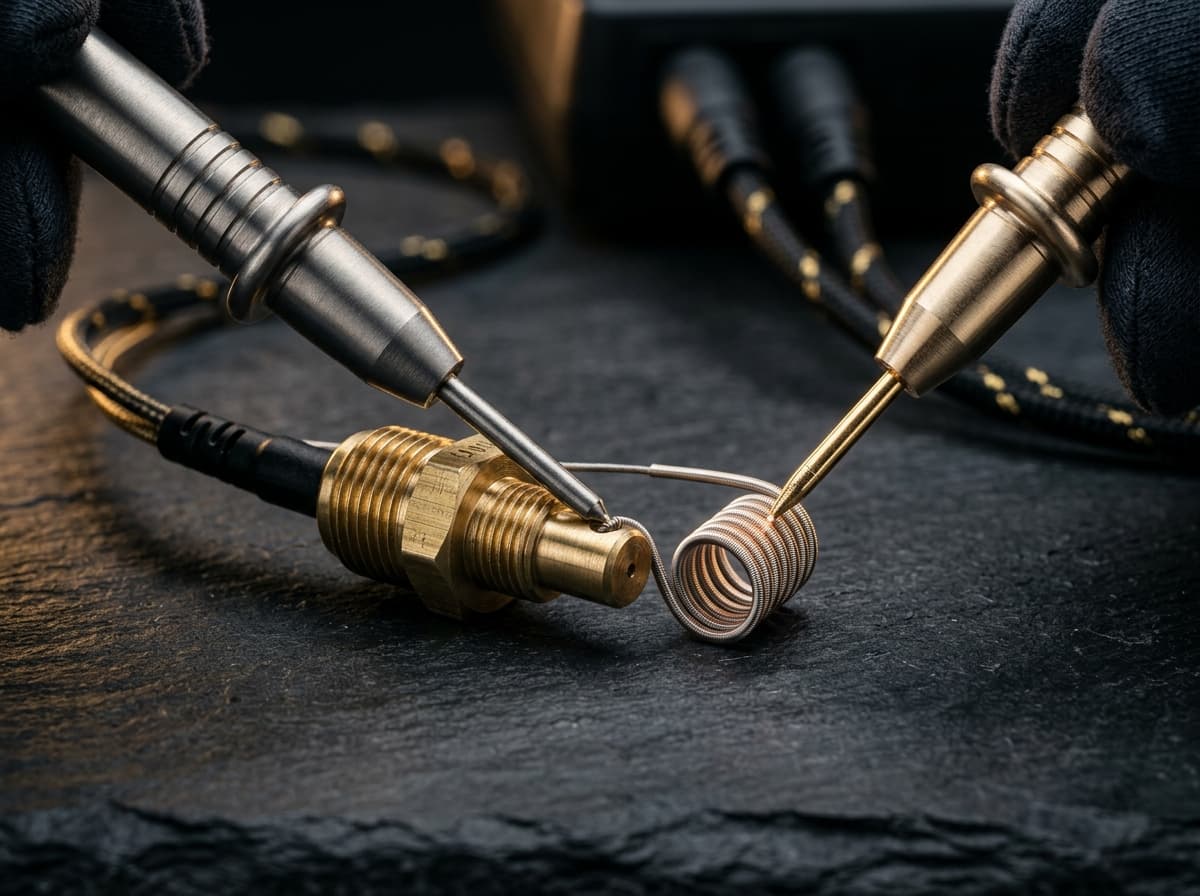
How do I test electrical resistance for Siemens code E9 using a multimeter?
Set a digital multimeter to ohms (Ω). Disconnect power and test Protective Earth Bonding & Incoming Mains Voltage across Between unpainted chassis metal and mains plug earth pin; incoming terminal block L-N. Expected nominal reading is Earth Ground Continuity: <0.1Ω (Chassis metal to mains plug earth pin). Mains: 230V AC ±10%.. Tolerance: Protective conductor impedance must remain <0.1Ω. Line voltage 207V–253V AC under load..
What safety protocol must be followed before servicing Siemens code E9?
Standard electrical safety protocol: 1. Disconnect 230V mains power before opening panels. 2. Verify zero voltage at test points. 3. Allow hot water or heating elements to cool below 30°C before handling.
Community Verification
COMMUNITYDid this solution resolve the issue?