
Field Actions
DISPATCHAlways disconnect appliance from 230V/400V mains before opening panels. Use CAT III multimeter for circuit testing.
Frequently Asked Questions: Faure E5
FAQ TREEWhat does error code E5 mean on a Faure appliance?
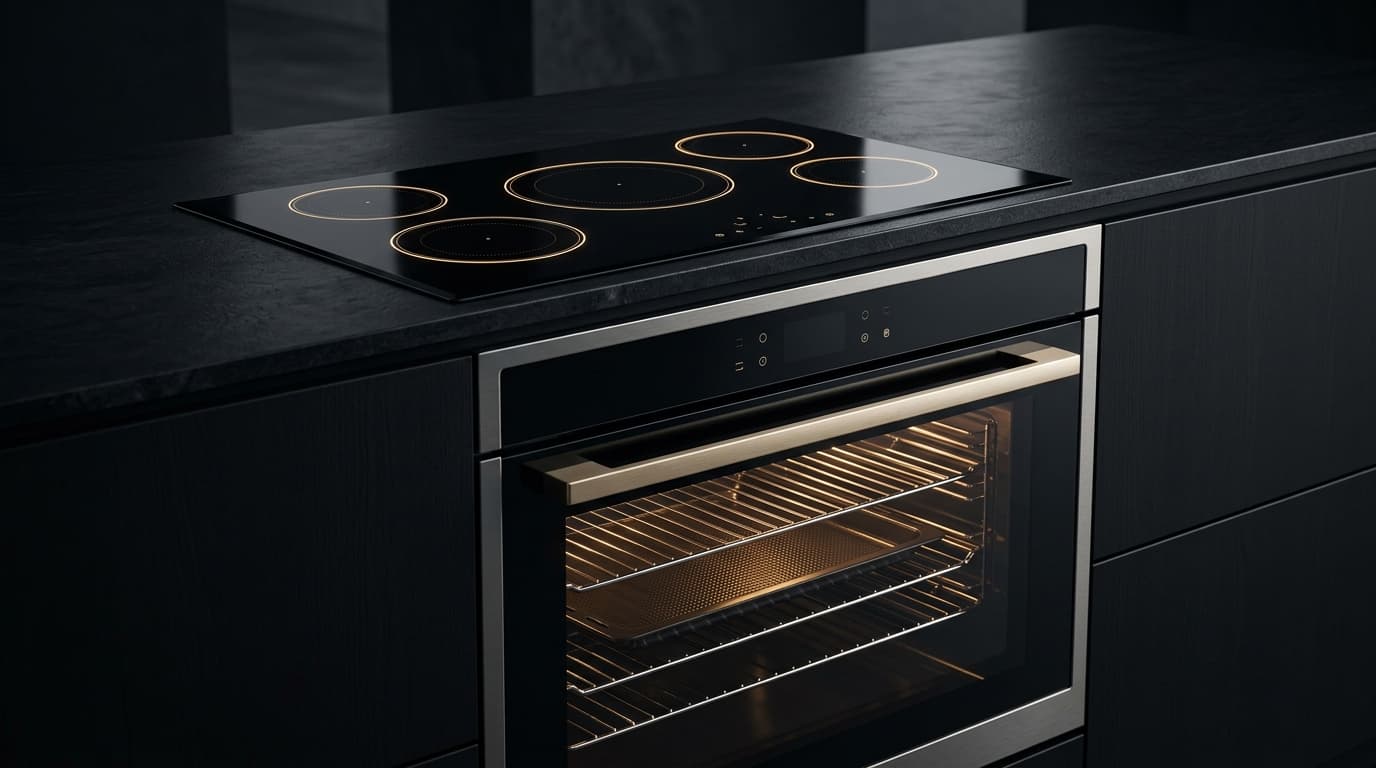
Faure error code E5 indicates: Faure FIE / Induction Duo / Vitroceramic Cooktop: Induction power module heatsink over-temperature E5; cooling duct temperature sensor exceeds 95°C..
What is the root cause of Faure error code E5?
The primary root cause for Faure code E5 is: On Faure (Faure FIE / Induction Duo / Vitroceramic Cooktop) models: Inlet cooling fan failed or obstructed by cutlery drawer beneath hob, blocked ventilation slot in kitchen worktop, or dust accumulation on fins..
How do I fix or resolve Faure error code E5?
To resolve error code E5: Check clearance under hob (minimum 5mm front slot, 20mm rear airflow channel). Ensure cooling fan spins freely and blowers clear dust. Press and hold Départ/Pause and Annulation buttons for 6 seconds until all status indicators flash synchronously and clear fault memory.
Is it safe to clear Faure error code E5 by resetting power?
Resetting power (unplugging for 5–10 minutes) clears temporary memory errors. However, if Faure code E5 persists, the physical component causing On Faure (Faure FIE / Induction Duo / Vitroceramic Cooktop) models: Inlet cooling fan failed or obstructed by cutlery drawer beneath hob, blocked ventilation slot in kitchen worktop, or dust accumulation on fins. must be inspected or replaced.
How do I test electrical resistance for Faure code E5 using a multimeter?
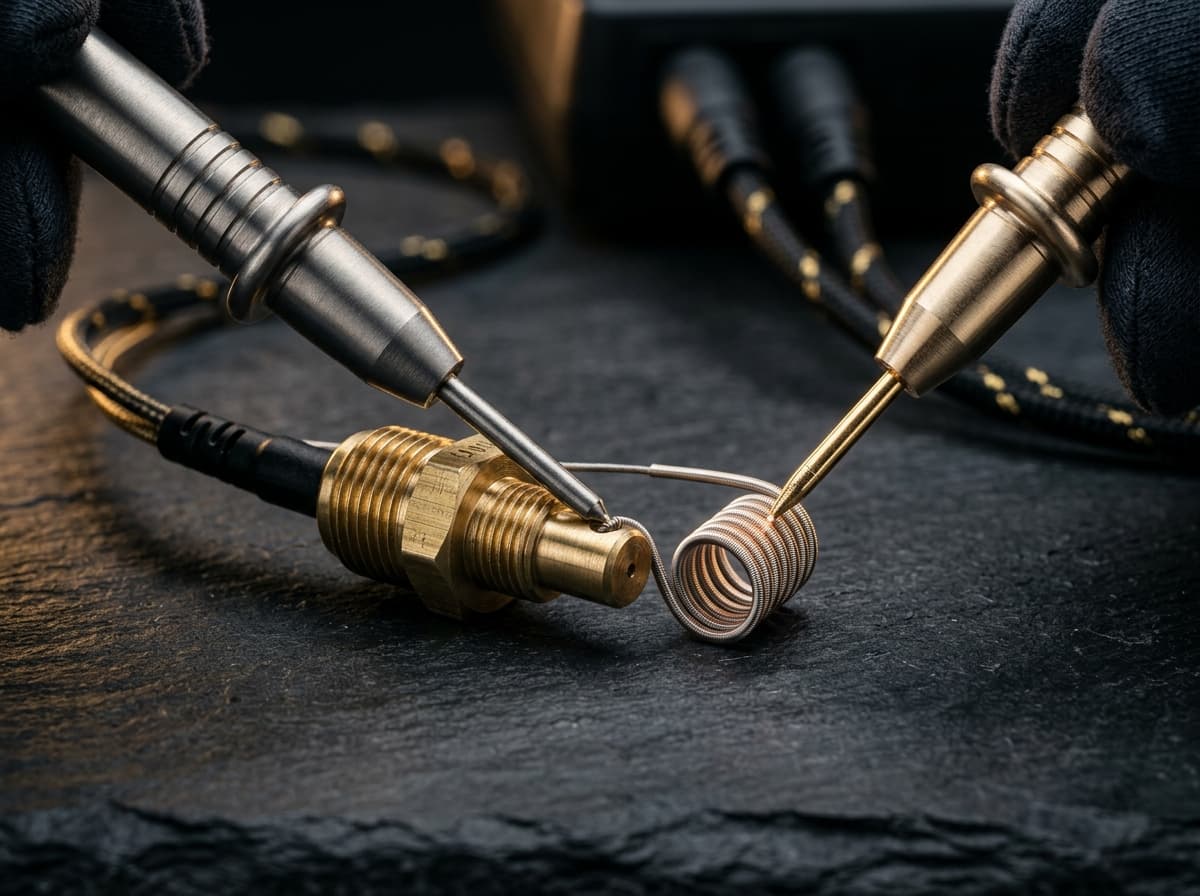
Set a digital multimeter to ohms (Ω). Disconnect power and test NTC Temperature Sensor Probe (Thermistor) across Across sensor pins 1-2 (unplugged harness). Expected nominal reading is 4.8kΩ–12kΩ (at 20°C–25°C). Tolerance: Negative temperature coefficient: resistance drops smoothly when warmed with fingers. OL = open circuit..
What safety protocol must be followed before servicing Faure code E5?
Standard electrical safety protocol: 1. Disconnect 230V mains power before opening panels. 2. Verify zero voltage at test points. 3. Allow hot water or heating elements to cool below 30°C before handling.
Community Verification
COMMUNITYDid this solution resolve the issue?