
Field Actions
DISPATCHAlways disconnect appliance from 230V/400V mains before opening panels. Use CAT III multimeter for circuit testing.
Frequently Asked Questions: Ignis F16
FAQ TREEWhat does error code F16 mean on a Ignis appliance?
Ignis error code F16 indicates: Ignis LTE Top-Loader & TuttoinUno Front-Loader Washing Machine: Drum lock top-loader safety interlock fault F16; microswitch indicates drum gate not secured at spin cycle initiation..
What is the root cause of Ignis error code F16?
The primary root cause for Ignis code F16 is: On Ignis top-loading washers: Drum access flap latch not fully clicked into keeper, broken mechanical gate catch, or failed optical sensor beam..
How do I fix or resolve Ignis error code F16?
To resolve error code F16: Open top lid and manually confirm positive click-lock of both drum flap latches. Inspect gate spring hinges. Measure gate switch continuity (< 1 Ω closed). Hold Start/Cancel button for 5 seconds until indicator light turns solid, switch off, and turn knob to 0.
Is it safe to clear Ignis error code F16 by resetting power?
Resetting power (unplugging for 5–10 minutes) clears temporary memory errors. However, if Ignis code F16 persists, the physical component causing On Ignis top-loading washers: Drum access flap latch not fully clicked into keeper, broken mechanical gate catch, or failed optical sensor beam. must be inspected or replaced.
How do I test electrical resistance for Ignis code F16 using a multimeter?
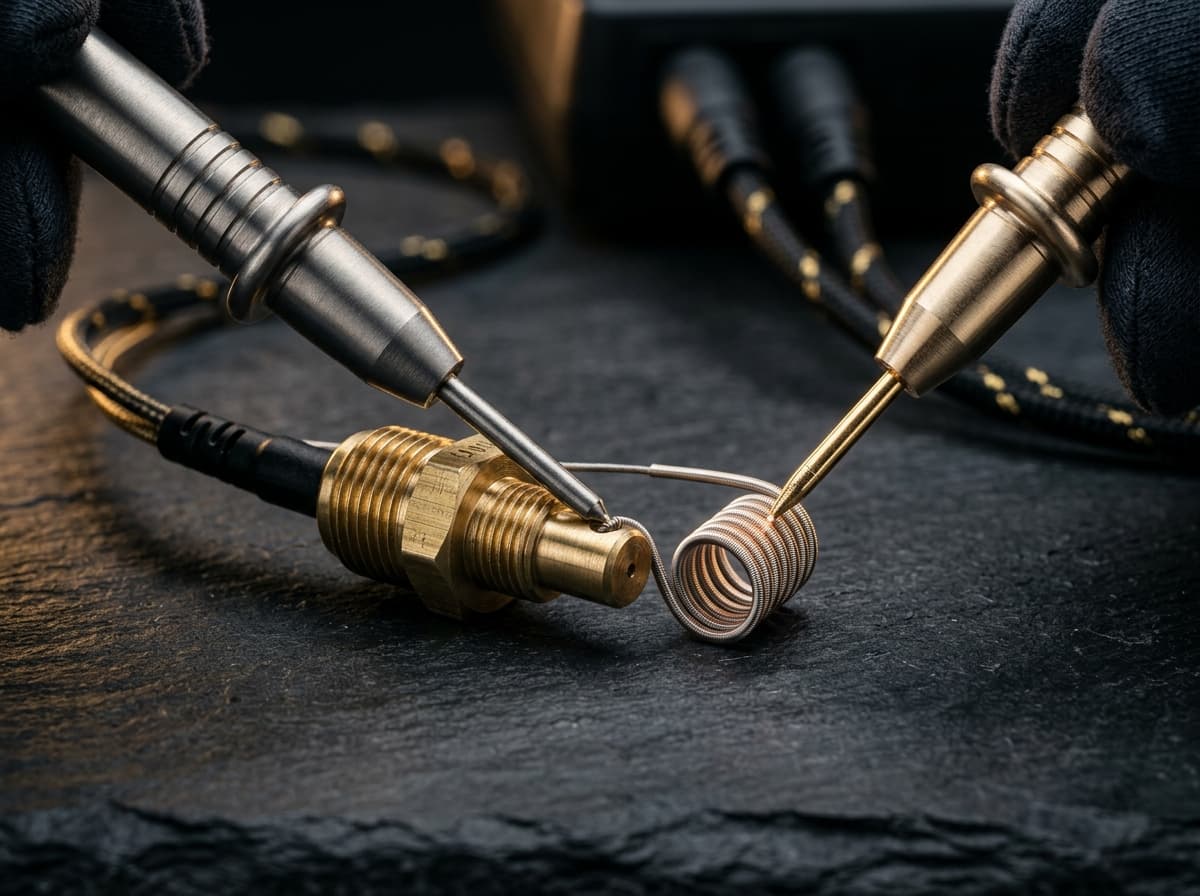
Set a digital multimeter to ohms (Ω). Disconnect power and test PTC Heater Pellet / Pulse Solenoid / Microswitch Contacts across Across PTC heater terminals on lock bezel; switch contact reads <0.2Ω when locked. Expected nominal reading is 800Ω–1.5kΩ (PTC terminals L-N) / 60Ω–120Ω (Pulse Solenoid). Tolerance: ±15%. Switch contacts must read open (OL) when unlocked and 0.0Ω–0.2Ω when fully latched..
What safety protocol must be followed before servicing Ignis code F16?
Standard electrical safety protocol: 1. Disconnect 230V mains power before opening panels. 2. Verify zero voltage at test points. 3. Allow hot water or heating elements to cool below 30°C before handling.
Community Verification
COMMUNITYDid this solution resolve the issue?