
Field Actions
DISPATCHAlways disconnect appliance from 230V/400V mains before opening panels. Use CAT III multimeter for circuit testing.
Frequently Asked Questions: Faure EF0
FAQ TREEWhat does error code EF0 mean on a Faure appliance?
Faure error code EF0 indicates: Faure FWG / FWF Series / Magic'45 Compact Washer: Protective intervention warning EF0; safety system activated (anti-leak, excessive foam, or filter obstruction)..
What is the root cause of Faure error code EF0?
The primary root cause for Faure code EF0 is: On Faure (Faure FWG / FWF Series / Magic'45 Compact Washer) models: Water collected in bottom drip tray activating AquaControl float, severe detergent overdosing, or extended slow draining..
How do I fix or resolve Faure error code EF0?
To resolve error code EF0: Inspect base pan for water leaks. Clean lower lint filter. If excessive suds are visible, perform cold rinse cycle without detergent. Press and hold Départ/Pause and Annulation buttons for 6 seconds until all status indicators flash synchronously and clear fault memory.
Is it safe to clear Faure error code EF0 by resetting power?
Resetting power (unplugging for 5–10 minutes) clears temporary memory errors. However, if Faure code EF0 persists, the physical component causing On Faure (Faure FWG / FWF Series / Magic'45 Compact Washer) models: Water collected in bottom drip tray activating AquaControl float, severe detergent overdosing, or extended slow draining. must be inspected or replaced.
How do I test electrical resistance for Faure code EF0 using a multimeter?
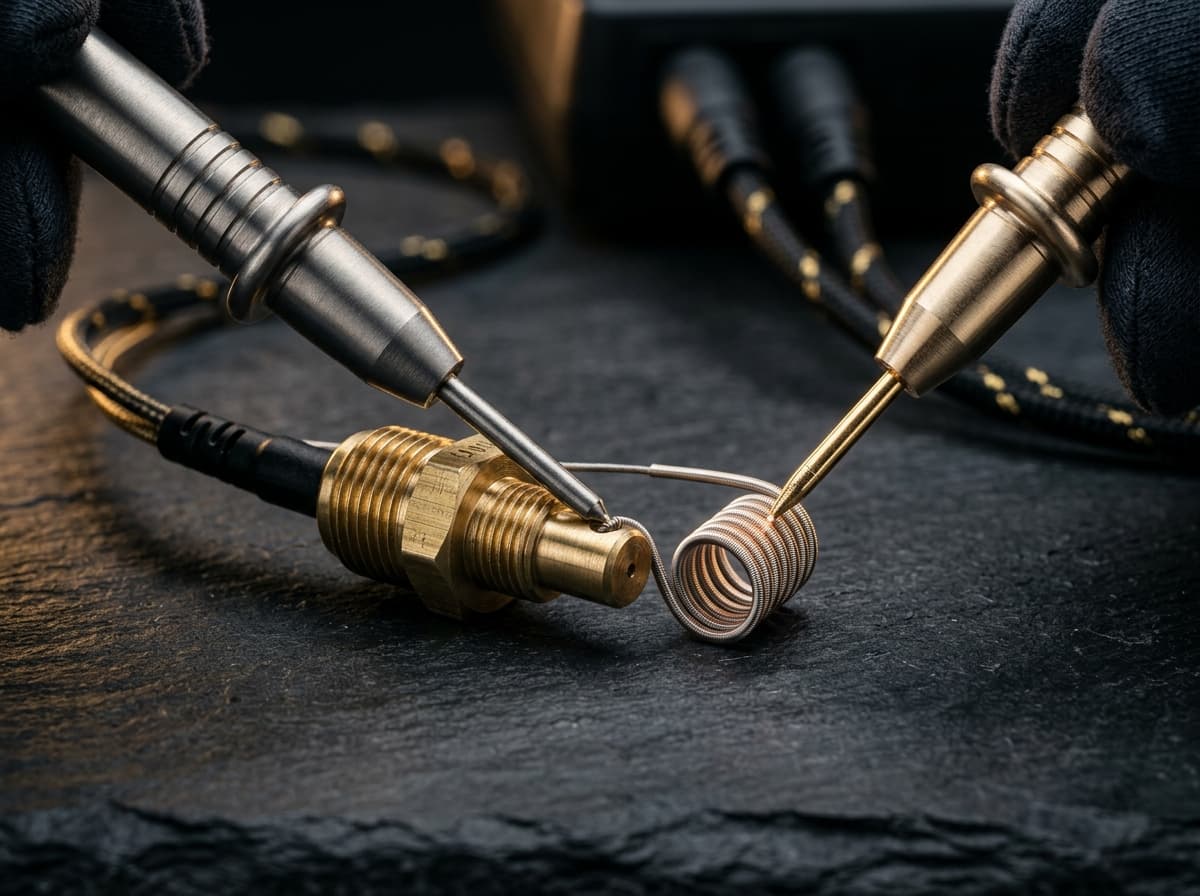
Set a digital multimeter to ohms (Ω). Disconnect power and test Drain Pump Motor Stator Coils across Across pump motor spade terminals (L-N unclipped). Expected nominal reading is 160Ω–220Ω (Sync 230V) / 20Ω–45Ω (3-Phase BLDC). Tolerance: ±10% balance. Insulation resistance between coil and motor chassis must exceed 20MΩ..
What safety protocol must be followed before servicing Faure code EF0?
Standard electrical safety protocol: 1. Disconnect 230V mains power before opening panels. 2. Verify zero voltage at test points. 3. Allow hot water or heating elements to cool below 30°C before handling.
Community Verification
COMMUNITYDid this solution resolve the issue?